
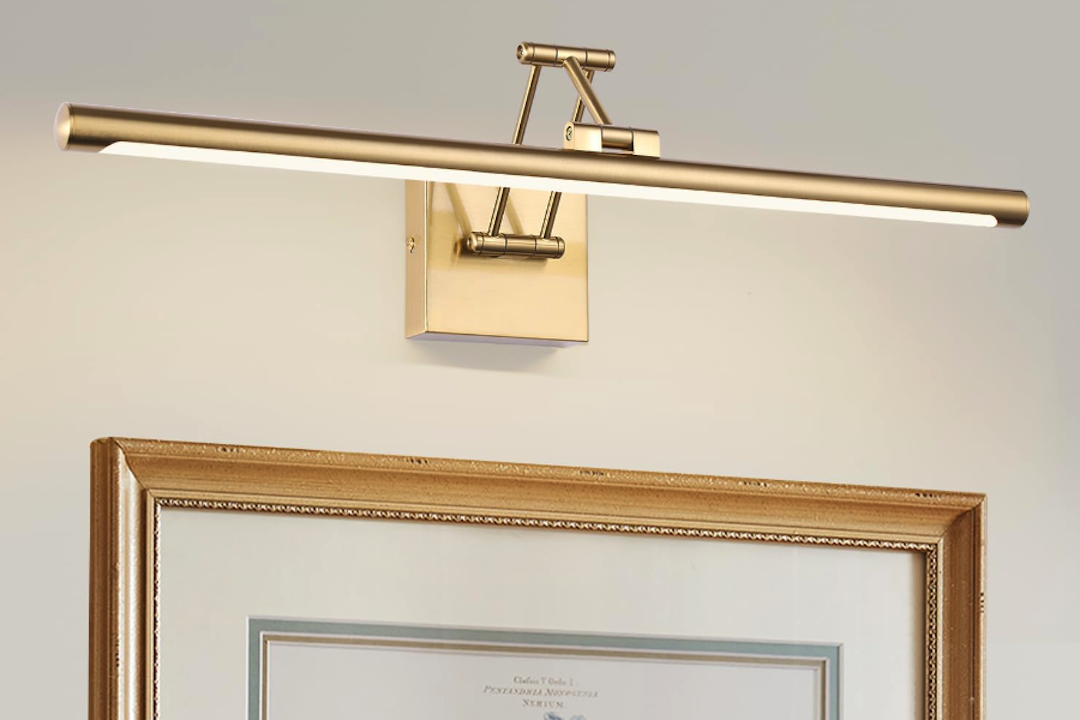

You’ve got some fantastic pieces you want to showcase, and a satin brass picture light could be just the thing to really make them pop. Think of it as the spotlight, but way more sophisticated and subtle, turning your wall art from just items on display into something that truly draws the eye and adds to the atmosphere of your room.
Why Satin Brass? It’s More Than Just a Finish
When we talk about “satin brass,” we’re not just talking about a shiny yellow metal. Satin brass has this lovely muted gleam. It’s not overly reflective, which means it won’t cause annoying glare on your artwork.
The Subtle Shine: Understanding Satin Brass
The “satin” part is key here. Unlike polished brass, which can be quite blingy, satin brass has a brushed or matte finish. This gives it a softer, more diffused light Fasuhouse reflection. It feels warm, inviting, and a bit more grounded.
A Touch of Vintage Charm
This muted sheen lends itself beautifully to a variety of interior design styles. If you’re going for a more classic, traditional, or even a slightly vintage vibe, satin brass fits right in. It evokes a sense of timeless elegance.
Bridging Modern and Classic
But don’t think it’s just for old-school decor! Satin brass is surprisingly versatile. It can easily complement modern and contemporary spaces, adding a touch of warmth and personality without feeling out of place. It’s that perfect bridge between the old and the new.
The Practicality of Picture Lighting
Beyond just looking good, picture lights serve a crucial purpose: they illuminate your artwork effectively. This isn’t just about brightness; it’s about how the light interacts with the textures, colors, and details of your pieces.
Highlighting Your Art’s True Colors
Good lighting can make a significant difference in how we perceive art. A well-placed picture light can bring out the subtle nuances in color and texture that might otherwise be lost or appear flat.
Revealing the Details
Imagine a painting with intricate brushstrokes or a photograph with fine details. A picture light, positioned correctly, can catch these elements, making them visible and appreciated. It’s like opening your eyes to a new layer of your artwork.
Avoiding Distortion
Bad lighting can distort colors. Natural light changes throughout the day, and overhead ambient light might cast unflattering shadows or washes of color. A dedicated picture light provides consistent, focused illumination.
Placement is Key: Where to Hang Your Satin Brass Light
It’s not enough to just buy a beautiful satin brass picture light; you need to think about where it goes. The right placement will maximize its impact and ensure your art is showcased at its best.
The Golden Rule: Angle and Distance
Generally, you want the light to hit your artwork from a slight angle, typically around 30 degrees. This helps to prevent glare while still providing good illumination. The distance from the art will depend on the size of the artwork and the width of the light fixture.
Over the Frame vs. Mounted on the Frame
Some picture lights are designed to sit just above the frame, casting light downwards. Others can be mounted directly onto the frame itself, especially for larger pieces or when you want a more integrated look. Consider the style of your frame as well. A chunky, ornate frame might suit a more substantial light, while a sleek modern frame might pair better with a minimalist fixture.
Proximity to the Wall
How close should the light be to the wall? This will influence the beam of light. If you want a more contained spotlight effect, you might position it a little further out. For a broader wash of light, closer to the wall can work. Experimentation is often the best approach here.
The Versatility of Satin Brass Picture Lights
Satin brass picture lights aren’t just for paintings. Their sophisticated aesthetic and functional lighting make them suitable for a range of display needs.
Beyond Paintings: Photographs and Prints
Don’t limit yourself to traditional paintings. Photographs, especially framed black and white prints or modern color photography, look stunning under a satin brass light. It adds a gallery feel to your personal memories.
Sculptures and 3D Objects
While most picture lights are designed for flat art, some creatively minded individuals use them to highlight smaller sculptures or interesting 3D objects. It requires careful angling and perhaps a slightly wider beam, but it can create a dramatic effect.
Displaying Collectibles
Think about a framed vintage poster, a diploma you’re proud of, or even a collection of intricate stamps. A satin brass picture light can elevate these items from mere decorations to focal points.
Choosing the Right Satin Brass Picture Light
With so many options out there, how do you pick the one that’s just right for your space and your art? It’s about a few key considerations.
Size Matters: Scale and Proportion
The size of the picture light should be in proportion to the artwork it’s illuminating. A tiny light on a large canvas will look lost, while an oversized light on a small print can overwhelm it.
Length of the Fixture
For longer pieces, you’ll likely need a longer fixture to ensure even illumination. For smaller pieces, a shorter, more focused light might be sufficient. The goal is to cover the entire surface of the artwork without significant fall-off at the edges.
Light Source: LED vs. Halogen
Many modern picture lights use LED bulbs. These are energy-efficient, long-lasting, and come in various color temperatures. Warmer LEDs can be particularly good for art, as they mimic natural light more closely and won’t bleach out colors over time like some older halogen bulbs could.
Dimmable Options: Control is Everything
If you have the option, a dimmable picture light gives you ultimate control over the ambiance. You might want a brighter light for detailed viewing and a softer glow for a more relaxed mood. This is particularly useful for art that you want to subtly highlight rather than overpower.
Installation: Making it Happen
Once you’ve chosen your light, the next step is getting it installed. This can range from a simple DIY project to something that might require a bit more expertise.
Power Source: Battery Operated vs. Wired
Picture lights come in two main power varieties: battery-operated and hardwired. Battery-operated lights offer incredible flexibility; you can place them anywhere without worrying about an electrical outlet. However, you’ll need to remember to change the batteries periodically.
Wired lights, on the other hand, offer a clean, seamless look as the wires are hidden. They provide continuous power and are generally brighter, but installation requires running electrical cables, which might involve an electrician.
Professional Help: When to Call in the Experts
If you’re not comfortable with electrical work or if your chosen light requires hardwiring, it’s always best to consult a qualified electrician. They can ensure the installation is safe and up to code, giving you peace of mind.
The Aesthetic Impact: More Than Just Illumination
A satin brass picture light is a decorative element in itself. Its design and finish contribute to the overall look and feel of your room.
A Focal Point
The light fixture itself can become a subtle focal point. Its elegant design, coupled with the illuminated artwork, draws attention and adds a touch of sophistication to your wall.
Complementing Your Existing Decor
The warm, muted tones of satin brass are incredibly adaptable. It can complement a range of color palettes in your room, from deep jewel tones to soft neutrals. It doesn’t demand attention but rather enhances.
Creating a Gallery-Like Atmosphere
By adding dedicated lighting to your artwork, you instantly elevate the space. It moves beyond a casual display and starts to feel more like a curated gallery, showcasing your art with intention.
When Satin Brass Might Not Be the Best Fit
While satin brass is wonderfully versatile, there are instances where another finish might be a better choice.
Ultra-Modern or Industrial Aesthetics
In very stark, ultra-modern spaces that lean heavily into minimalist chrome or matte black, satin brass might feel a bit too warm or traditional. Similarly, in a gritty industrial loft, a more raw metal finish could be more appropriate.
Very Bright, Sunny Rooms
If your room receives a lot of direct, bright sunlight all day, you might find that the subtle sheen of satin brass becomes a bit lost or doesn’t provide the contrast you’re looking for. In such cases, a more polished metal might offer a stronger presence.
Personal Preference
Ultimately, taste is subjective. If the warm glow of brass just doesn’t resonate with you, there are plenty of other excellent finishes available for picture lights, such as brushed nickel or oil-rubbed bronze.
Maintaining Your Satin Brass Shine
Satin brass is generally low-maintenance, but a little care will keep it looking its best.
Gentle Cleaning
Avoid abrasive cleaners. A soft, damp cloth is usually sufficient for dusting. For occasional fingerprints or smudges, a mild soap and water solution on a cloth, followed by a dry buff, should do the trick.
Polishing (or Not Polishing)
Unlike polished brass, satin brass is not meant to be polished to a high shine. Over-polishing can actually damage the satin finish. If there’s a more persistent mark, a specialized cleaner for brushed metals might be an option, but always test in an inconspicuous area first. The beauty of satin brass is its understated elegance, something you want to preserve.
Bringing It All Together
Adding a satin brass picture light to your gallery wall or to highlight a particularly special piece of art is a thoughtful upgrade. It’s a practical solution that also offers significant aesthetic benefits, enhancing both your artwork and the overall ambiance of your home. It’s about bringing your art to life in a way that feels considered and elevates your living space.