
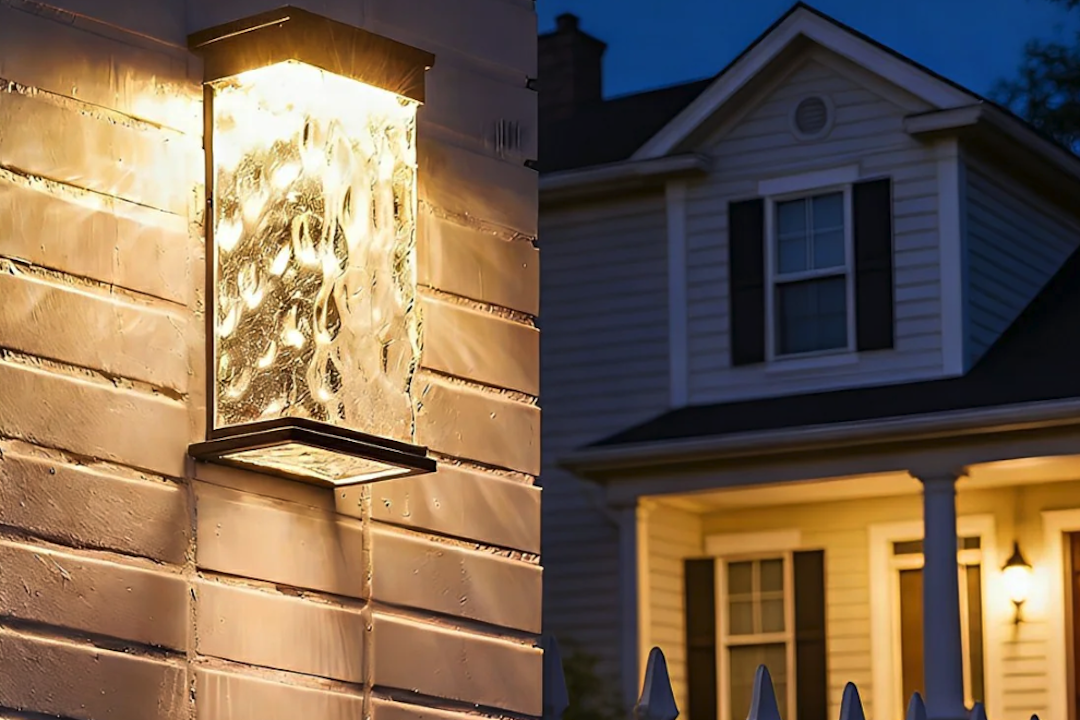

Thinking about sprucing up your porch? Outdoor waterproof wall lights are a fantastic way to do it. They don’t just look great; they also add a layer of safety and make your porch a much more inviting space after dark. Forget fumbling for keys or tripping over steps – good lighting transforms your outdoor area from purely functional to genuinely enjoyable.
It’s easy to think of lighting as just a basic necessity, but when it comes to your porch, it’s much more than that. We’re talking about enhancing curb appeal, boosting security, and creating an atmosphere that makes you want to spend more time outdoors.
More Than Just Illumination
Most people first consider outdoor lights Jievik for the obvious reason: to see in the dark. And yes, they do that well. But think about the subtle improvements. A well-lit path to your door is more welcoming. A porch with soft, ambient light is more relaxing. It’s about creating an experience, not just preventing falls.
Boosting Curb Appeal Dramatically
Your porch is often the first thing people see when they approach your home. Good lighting instantly elevates its look. Imagine a beautifully lit entryway that highlights architectural features or showcases your planters. It makes your house feel cared for and put-together, which can even add to its perceived value.
A Deterrent for Unwanted Guests
While not a replacement for a full security system, proper outdoor lighting acts as a simple, effective deterrent. Burglars prefer to work in the shadows. A brightly lit porch makes your home less appealing target. Motion-activated lights can be particularly effective here, catching intruders off guard.
Finding the Right Waterproof Light for Your Porch
So, you’re convinced. Now, how do you pick the right one? The world of outdoor wall lights is surprisingly varied. It’s not just about aesthetics; functionality and durability are key, especially since these lights will be braving the elements.
Understanding IP Ratings: Your First Stop
This is crucial. The Ingress Protection (IP) rating tells you how well a fixture is protected against solids (dust, dirt) and liquids (water). For outdoor use, you want a decent rating.
What Do the Numbers Mean?
An IP rating looks like “IPXX,” with two numbers. The first number (0-6) indicates protection against solids, and the second (0-8) indicates protection against liquids.
- First Digit (Solids):
- 0: No protection.
- 4: Protected against solid objects greater than 1mm (most wires, screws).
- 6: Dust-tight. This is excellent for outdoor lights.
- Second Digit (Liquids):
- 0: No protection.
- 4: Protected against splashing water from any direction. Good for sheltered porches.
- 5: Protected against low-pressure jets of water from any direction. Better for areas exposed to rain.
- 6: Protected against high-pressure jets of water. Think washing the car – very robust.
- 7: Protected against immersion in water up to 1 meter for 30 minutes. (Typically for pond lights, not wall lights).
- 8: Protected against continuous immersion in water under conditions specified by the manufacturer. (Again, usually specialized submersible lights).
What’s a Good IP Rating for a Porch Light?
For a typical porch that’s somewhat sheltered from direct, heavy rain, an IP44 rating is usually sufficient. This protects against splashing water and small solid objects. If your porch is very exposed to the elements – directly hit by rain and wind – you might want to aim for IP55 or even IP65 for extra peace of mind. These offer better protection against stronger jets of water and are dust-tight. Don’t go below IP44 for any outdoor fixture.
Material Matters: Longevity in the Elements
The material of your light fixture largely dictates how long it will last and how well it will withstand weather conditions.
Aluminum: Lightweight and Rust-Resistant
Aluminum is a popular choice for good reason. It’s lightweight, naturally resistant to rust, and can be finished in various colors. Look for powder-coated aluminum, which adds an extra layer of protection against corrosion and scratches. It’s generally a durable and low-maintenance option.
Stainless Steel: Sleek and Modern
If you’re going for a contemporary, minimalist look, stainless steel is a great option. It’s very strong and resistant to corrosion, especially high-grade stainless steel (304 or 316). Beware of cheaper stainless steel, as it can still show rust spots over time, especially in coastal areas with salt air. Regular cleaning can help maintain its appearance.
Copper and Brass: Timeless and Developing Patina
These materials are beautiful, especially if you like a classic or craftsman style. They don’t rust; instead, they develop a lovely patina over time, which can enhance their character. They are more expensive but incredibly durable and can last for decades. They require little to no maintenance, as the patina itself is a protective layer.
Plastic (High-Grade): Affordable and Practical
While often perceived as “cheap,” high-quality outdoor plastics (like ABS or polycarbonate) are UV-resistant and won’t rust or corrode. They’re lightweight, affordable, and durable in their own right. They’re a good practical choice if budget is a main concern, but may not offer the same premium aesthetic as metal options.
Light Source: LED is King
Gone are the days of constantly changing bulbs. LED technology has revolutionized outdoor lighting.
Energy Efficiency: Save on Bills
LEDs consume significantly less electricity than traditional incandescent or CFL bulbs. This means lower energy bills over time, which adds up, especially if your lights are on for many hours each night.
Longevity: Install and Forget
LEDs last an incredibly long time – often tens of thousands of hours. This means fewer bulb changes, which is a huge convenience, especially for lights located in hard-to-reach spots.
Durability: Withstanding Shocks and Vibrations
Being solid-state devices, LEDs are much more robust and resistant to shocks and vibrations compared to fragile filament bulbs. This makes them ideal for outdoor environments where they might encounter wind, rain, or slight bumps.
Color Temperature: Setting the Mood
LEDs come in various color temperatures, measured in Kelvins (K).
- Warm White (2700K-3000K): Creates a cozy, inviting, and traditional ambiance, similar to incandescent bulbs. Great for a welcoming porch.
- Neutral White (3500K-4000K): Brighter and cleaner, good for visibility without being harsh. Often used for modern designs or where task lighting is needed.
- Cool White/Daylight (5000K-6500K): A very bright, bluish-white light. More utilitarian and less common for residential porches, usually reserved for security or commercial applications.
For a welcoming porch, warm white is generally the preferred choice.
Design and Placement Considerations
It’s not just about picking a nice light; it’s about making it work for your specific porch and home. A well-thought-out lighting plan can make a huge difference.
Matching Your Home’s Style
Your outdoor lights should complement your home’s architecture and existing aesthetic.
Traditional and Craftsman Homes
Opt for fixtures made of bronze, tarnished copper, or dark-finished aluminum. Look for classic shapes, often with seeded glass or decorative cages. Lantern-style lights are a popular choice.
Modern and Contemporary Homes
Sleek, minimalist designs in stainless steel, black, or geometric shapes work well. Up/down lights (which cast light both upwards and downwards) are very popular for a modern look, highlighting wall textures.
Farmhouse and Rustic Styles
Aged metals, barn-light styles, or designs with a sense of industrial charm can fit perfectly. Consider gooseneck fixtures or those with a caged design over the bulb.
Where to Put Them: Strategic Placement
Placement isn’t just about symmetry; it’s about creating effective and appealing illumination.
Flanking the Front Door
This is the most common and effective placement. Two lights, one on each side of the door, create balanced illumination and a welcoming symmetry. The proportion is key here: the lights shouldn’t be too small or too large for your doorway. A good rule of thumb is that the bottom of the fixture should be about 5.5 to 6 feet from the ground.
Over the Door
For narrower porches or where flanking isn’t feasible, a single light centered above the door can work. Make sure it’s large enough to provide adequate light.
Along Walls
If you have a wider porch, adding additional wall lights along the perimeter can enhance the overall ambiance and provide more thorough illumination. This is especially useful if you have seating areas or architectural details you want to highlight.
Near Stairs and Steps
Safety first! Place lights near any stairs or steps to clearly illuminate them, preventing trips and falls. Low-level step lights can also be a discreet and effective solution.
How Many Lumens Do You Need?
Lumens measure brightness. For a porch light, you’re usually aiming for inviting, not blinding.
General Guideline for Porch Lights
- Ambient/Decorative: 100-300 lumens per fixture. This is enough for a soft glow.
- Functional/Task Light: 300-700 lumens per fixture. Good for seeing clearly without being overly bright.
- Security/Accent: 700+ lumens for motion-activated security lights or to really highlight a feature.
When using multiple fixtures, remember that the lumens add up. You often want a softer overall feel for a porch, so don’t overdo the brightness.
Smart Lighting and Advanced Features
Technology has made outdoor lighting even more convenient and versatile.
Motion Sensors: Perfect for Security and Convenience
These lights turn on automatically when they detect movement.
Enhanced Security
A sudden burst of light can startle intruders and alert you to activity on your porch.
Energy Saving
The lights are only on when needed, which conserves energy and extends the life of the bulbs (even LEDs have a lifespan).
Hands-Free Convenience
No more fumbling for light switches with arms full of groceries. The light comes on as you approach.
Dusk-to-Dawn Sensors: Set it and Forget it
These fixtures have a photocell that detects ambient light.
Automatic Operation
They turn on when it gets dark and turn off when the sun comes up. This ensures your porch is always lit when needed, without you lifting a finger.
Consistent Illumination
Great for maintaining a consistent level of visibility and curb appeal throughout the night.
Dimmable Options: Setting the Right Mood
Some waterproof wall lights are compatible with dimmer switches.
Versatile Ambiance
Allows you to adjust the brightness to suit the occasion. Bright for security, soft for relaxing evenings on the porch.
Energy Conservation
Dimming the light also uses less electricity, further reducing your energy consumption.
Smart Home Integration
Many modern outdoor lights can now connect to your smart home system.
Remote Control
Control your porch lights from your phone, no matter where you are. Turn them on before you get home or check if you left them on after you’ve left.
Scheduling and Automation
Set schedules for your lights to turn on and off automatically, or integrate them with other smart home routines (e.g., lights turn on when your smart lock unlocks).
Voice Control
If you have a smart assistant like Alexa or Google Assistant, you can control your lights with voice commands, adding another layer of convenience.
Installation and Maintenance Tips
Even if you’re hiring an electrician, knowing a few things about installation and maintenance can save you headaches later.
DIY vs. Professional Installation
This isn’t a complex task for an experienced DIYer, but electrical work always carries risks.
When to DIY
If you’re comfortable with basic electrical work, understand wiring diagrams, and know how to safely turn off power at the breaker, replacing an existing fixture can be a DIY project. Always follow local electrical codes.
When to Call a Pro
If you’re installing a brand-new light where no wiring exists, need to run new circuits, or simply aren’t confident with electrical work, it’s always best to hire a licensed electrician. They’ll ensure the installation is safe, up to code, and properly sealed against the elements. Incorrect wiring can be a fire hazard.
Protecting Your Investment: Sealing and Caulking
This is critical to maintain the waterproof rating of your fixture.
After Installation
Even if your fixture is rated IP44+, the point where it meets your wall needs to be sealed. Use outdoor-grade silicone caulk around the base of the fixture to prevent water from seeping behind it and into your home’s wiring. Leave a small gap at the bottom for any condensation to escape.
Regular Checks
Periodically inspect the caulk for cracks or deterioration. Reapply if necessary. This simple step can significantly extend the life of your light and prevent damage to your home.
Keeping Them Clean: Simple Maintenance
Outdoor lights are exposed to dust, dirt, pollen, and even insects. A little cleaning goes a long way.
Regular Wiping
Every few months, or as needed, give your lights a quick wipe down with a damp cloth to remove surface dirt. This keeps them looking good and ensures maximum light output.
Deeper Cleaning (If Necessary)
For tougher grime, use a mild soap and water solution. Always ensure the power is off before cleaning any electrical fixture. Avoid harsh chemical cleaners, especially on metal finishes, as they can cause discoloration or damage.
Checking for Pests
Sometimes, insects can build nests inside light fixtures, especially around the bulb. If you notice reduced light or strange shadows, carefully inspect the inside of the fixture (with power off, of course). Keeping them clean can also deter spider webs.
By selecting the right outdoor waterproof wall light and giving it a little care, you’ll ensure your porch remains a bright, welcoming, and safe space for years to come. It’s an investment that pays off every time you step outside after dark.