
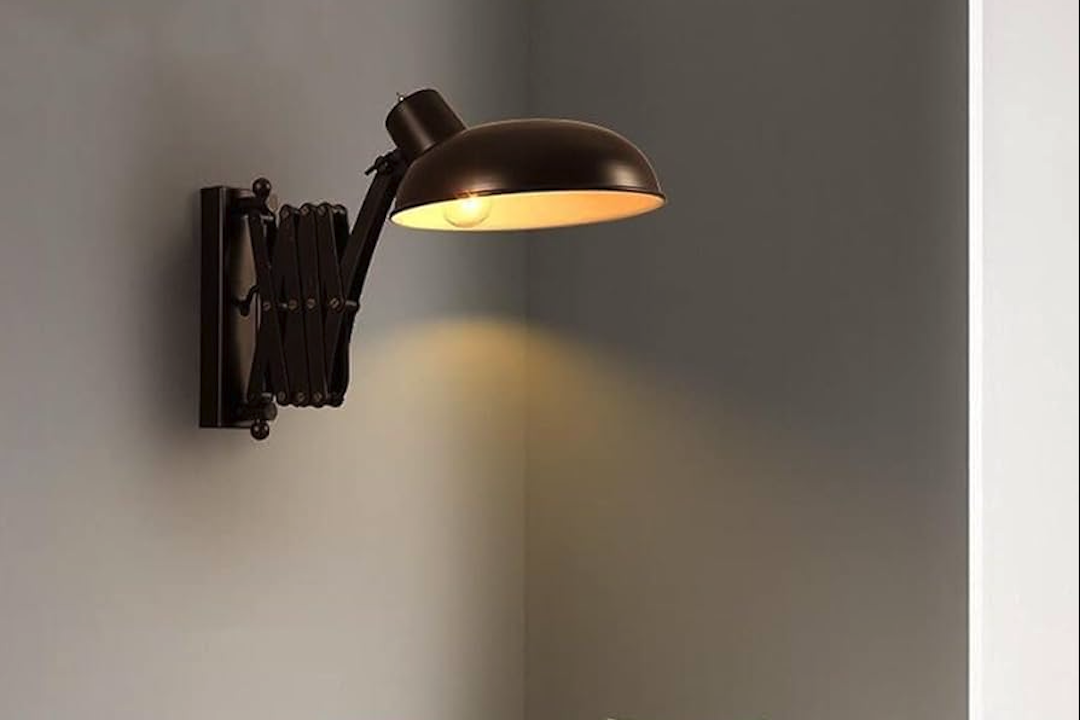

If you’re seeking a practical and stylish lighting solution for your industrial-themed reading nook, a swing-arm accordion wall lamp is often an excellent choice. It offers adjustable light precisely where you need it, freeing up valuable surface space and adding a touch of industrial charm. This type of lamp is particularly well-suited for smaller spaces or areas where flexibility is key, allowing you to direct light for various tasks without having to move the entire fixture.
Let’s dig into why this specific type of lamp often makes so much sense for a reading nook, especially one with an industrial vibe. It’s not just about looks; there’s a lot of practical value here.
Targeted Illumination, No More Glare
One of the biggest advantages is its ability to direct light Jikics exactly where you need it. Think about it: when you’re deeply engrossed in a book, you don’t want light shining in your eyes or illuminating the entire room. You want it focused on the page.
- Adjustable Reach: The accordion mechanism allows you to extend the lamp out from the wall or push it back, making it perfect for different seating arrangements or book sizes.
- Swivel Head: Most models feature a lamp head that can be swiveled or tilted, offering further control over the light’s direction. This is crucial for avoiding glare on glossy pages or screens.
Space-Saving Solution
Reading nooks, by their nature, are often cozy and sometimes a bit compact. A floor lamp can take up valuable floor space, and a table lamp requires a surface. A wall-mounted lamp side-steps both these issues.
- Free Up Surfaces: No more cluttering your small side table with a lamp, leaving more room for your cup of tea, snacks, or your phone.
- Clearer Floor Plan: Especially useful in narrow spaces or if you have pets or small children, as there’s no risk of tripping over a lamp cord or knocking over a freestanding fixture.
Industrial Aesthetic: More Than Just a Look
The aesthetic appeal of an accordion swing arm lamp often naturally leans into an industrial style, complementing raw materials and utilitarian design principles.
- Exposed Mechanisms: The accordion arm itself, often made of metal, showcases its mechanical function, which is a hallmark of industrial design.
- Durable Materials: Often constructed from steel, iron, or brass, these lamps convey a sense of robustness and longevity that fits perfectly with an industrial theme.
Key Features to Look For in Your Industrial Reading Lamp
When you’re sifting through options, it’s easy to get overwhelmed. Focusing on a few key features will help you narrow down your choices and ensure you get a lamp that truly meets your needs.
Construction Material and Finish
The material and finish are crucial for both durability and achieving that industrial look. You want something that feels substantial and looks the part.
- Metal Options:
- Steel/Iron: These are workhorses, offering robust construction and a classic industrial feel. Look for distressed, matte black, or brushed finishes.
- Brass/Bronze: These can lend a slightly more refined, vintage industrial look. Unlacquered brass will patina over time, adding character.
- Aluminum: Lighter weight, but can still achieve an industrial look, especially with a brushed or anodized finish.
- Finishes:
- Matte Black: A timeless industrial staple, offering contrast and a sleek look.
- Bronze/Oil-Rubbed Bronze: Adds warmth and a rustic industrial edge.
- Brushed Nickel/Satin Chrome: A slightly more modern industrial touch, often paired with clean lines.
- Distressed/Antique: Gives the lamp a sense of history and worn-in appeal, perfect for a true vintage industrial feel.
Adjustable Reach and Swivel Range
This is where the “swing arm” and “accordion” truly shine. Don’t underestimate how important adjustability is for a comfortable reading experience.
- Arm Length: Measure the distance from your intended mounting spot to where you typically read. Ensure the lamp’s extended reach is sufficient. Some lamps offer a range from 18 inches to over 3 feet.
- Number of Joints: More joints in the accordion arm usually mean greater flexibility in positioning. Three points of adjustment (at the wall, in the middle of the arm, and at the lamp head) are ideal.
- Head Swivel: A lamp head that can rotate at least 90 degrees horizontally and tilt vertically offers the best control over light direction.
Bulb Compatibility and Lighting Quality
The bulb you put in the lamp is just as important as the lamp itself, especially for reading. Good lighting prevents eye strain.
- Bulb Type:
- LED: Energy-efficient, long-lasting, and cool to the touch. Many are dimmable.
- Edison Bulbs (LED versions): If you crave that vintage filament look, opt for LED versions that mimic the glow without the heat or high energy consumption.
- Incandescent (if still available/preferred): Provides a warm light but uses more energy and generates more heat.
- Color Temperature (Kelvin):
- 2700K-3000K (Warm White): Ideal for a cozy reading nook, promotes relaxation.
- 3500K-4000K (Neutral White): Can be good for focused tasks if you prefer a slightly crisper light, but might feel less cozy. Avoid anything higher than 4000K for a reading space.
- Brightness (Lumens): For reading, aim for at least 450-800 lumens directed at your page. A dimmable switch is highly recommended to adjust to different times of day or personal preferences.
Wiring and Installation Options
Consider how the lamp will be powered and mounted. This can impact ease of installation and the overall aesthetic.
- Hardwired:
- Pros: Clean look, no visible cords, integrates seamlessly into your electrical system.
- Cons: Requires electrical work, usually a junction box in the wall. You might need an electrician.
- Plug-in:
- Pros: Easy DIY installation, just mount to the wall and plug into an outlet.
- Cons: Visible cord, which might detract from the industrial aesthetic unless carefully managed (e.g., using a cord cover matching the wall, or a stylish fabric-wrapped cord). Many come with an in-line switch on the cord.
Design Considerations: Making it Truly Industrial
Beyond functionality, how do you ensure this lamp truly enhances your industrial reading nook rather than just existing there? It’s about details and cohesiveness.
Visual Weight and Scale
Industrial design often embraces heft and substantiality. Your lamp should reflect this without overwhelming the space.
- Proportion to the Nook: A delicate, flimsy lamp will look out of place. Conversely, a massive crane-like fixture might overpower a small nook. Aim for a lamp that feels proportionate to your seating and the wall space.
- Statement Piece vs. Blended In: Decide if you want the lamp to be a focal point or to quietly support the overall industrial theme. Heavier metals and contrasting colors tend to make a bigger statement.
Integrating with Existing Elements
An industrial reading nook often features specific textures and materials. Your lamp should complement these.
- Exposed Brick or Concrete Walls: A matte black or distressed metal lamp will pop beautifully against these raw textures.
- Reclaimed Wood Shelves/Furniture: Bronze or oil-rubbed bronze can add warmth and tie into the natural tones of wood.
- Metal Accents (pipes, gears): Ensure the lamp’s metal finish harmonizes with other metal elements in the room. A mismatch can look jarring.
Shade Design: Form Meets Function
The lamp shade isn’t just for aesthetics; it’s crucial for directing light and preventing glare, especially in a reading environment.
- Dome/Bowl Shades: Classic industrial choice, directs light downwards over your reading material. Often made of metal, sometimes with a white interior to maximize reflection.
- Cone Shades: Similar to dome shades but with a more focused beam. Also effective for task lighting.
- Wire Cages: While stylish and very industrial, be mindful that a bare bulb in a wire cage might produce glare if not positioned carefully. Consider a frosted or low-wattage LED bulb.
- Gooseneck vs. Accordion: While both offer adjustability, the accordion’s exposed mechanical nature is often more overtly industrial than a smooth gooseneck arm.
Installation Tips for Your Wall Lamp
Getting your lamp mounted correctly is important for safety, stability, and aesthetics. Even if you’re not an expert, basic DIY skills usually suffice for plug-in models.
Finding the Right Spot
Placement is key to maximizing the lamp’s utility and comfort.
- Height: Generally, the bottom of the lamp head should be around shoulder height when you’re seated. This puts the light effectively on your lap/book without shining directly into your eyes.
- Distance from Seating: Consider the lamp’s maximum extension. Mount it so that the light can comfortably reach your reading material without requiring you to lean awkwardly.
- Wall Studs: Whenever possible, mount into a wall stud for maximum stability. Use a stud finder. If no stud is available, robust drywall anchors (toggle bolts or self-drilling anchors) are essential.
Wiring Considerations (Plug-in vs. Hardwired)
Knowing the difference here can save you a headache later.
- Plug-in: Requires an accessible outlet nearby. If the cord is long, you might want to use cord clips or a cord channel to neatly manage it down to the outlet, preserving the clean look. Some choose to hide the cord behind furniture or even channel it into the wall (which becomes more like a hardwired approach without the switch at the wall).
- Hardwired: If you’re replacing an existing wall fixture, it’s straightforward. If you’re adding completely new wiring, consult a qualified electrician. This ensures safety and compliance with local codes. Always turn off power at the breaker before working with electrical wires.
Tools You’ll Likely Need
A basic toolkit will get most jobs done.
- Pencil: For marking drill holes.
- Level: To ensure your lamp is mounted straight.
- Drill: With appropriate drill bits for pilots holes (for screws) or for drywall anchors.
- Tape Measure: For accurate placement.
- Screwdriver: To secure the mounting plate.
- Stud Finder: Highly recommended for secure mounting.
- Wire Strippers/Pliers (for hardwired): If you’re comfortable with basic electrical work.
Maintenance and Bulb Care
Once your lamp is installed, a little care will keep it shining bright and looking its best for years.
Cleaning Industrial Finishes
Industrial finishes are generally quite forgiving, but a little regular cleaning keeps them looking good.
- Dusting: A soft, dry cloth is usually all you need for regular dusting.
- Fingerprints/Smudges: For matte or brushed finishes, a slightly damp cloth with a mild soap solution (like dish soap diluted in water) can work. Always test in an inconspicuous area first and dry thoroughly immediately to prevent water spots, especially on unlacquered metals. Avoid harsh chemical cleaners, as they can damage finishes.
- Patina: If you have an unlacquered brass or copper lamp, embracing the natural patina is part of the industrial charm. If you wish to restore its shine, specific metal polishes are available, but be aware it will then begin to patina again.
Bulb Replacement and Longevity
The right bulb doesn’t just look good; it impacts maintenance frequency.
- LED Benefits: LED bulbs are fantastic here because they last a very long time (thousands of hours), meaning less frequent bulb changes, especially in hard-to-reach spots. They also consume less energy and generate less heat.
- Dimmer Compatibility: If your lamp is dimmable, ensure you use dimmable LED bulbs. Non-dimmable LEDs will flicker or fail prematurely on a dimmer switch.
- Wattage: Always adhere to the maximum wattage specified by the lamp manufacturer to avoid overheating issues. LEDs provide ample brightness at much lower wattages than traditional incandescent bulbs.
By carefully considering these points, you can select and install an industrial swing-arm accordion wall lamp that not only provides excellent reading light but also enhances the overall aesthetic and functionality of your cherished reading nook. It’s a simple, effective piece of design that genuinely makes a difference.