
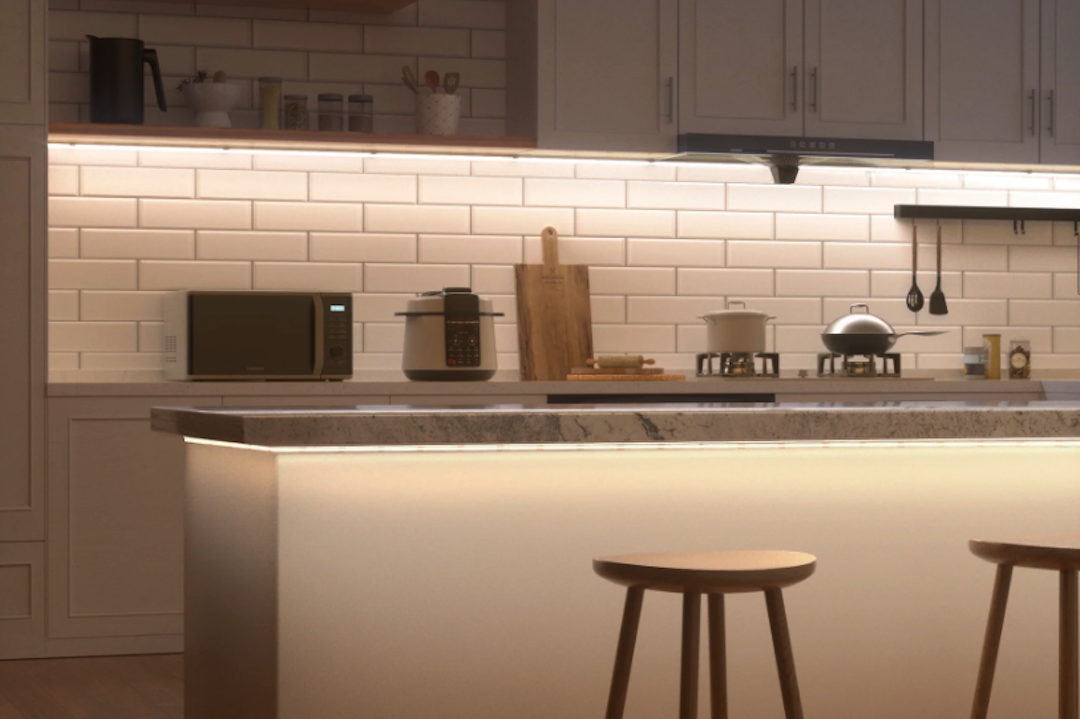

Concerned about drilling holes for sensor lights in your rental? Good news: punch-free adhesive solutions are absolutely rental-friendly, providing a secure, temporary, and damage-free way to add hands-free lighting. These lights use strong, removable adhesives instead of screws, making them ideal for renters who need to avoid wall damage.
Living in a rented space often means being careful about modifications. Drilling holes for permanent fixtures can lead to deductions from your security deposit. Punch-free sensor lights offer a practical workaround, allowing you to enhance your living environment without permanent alterations.
No Damage, No Worries
The primary benefit for renters is the lack of damage to walls, ceilings, or cabinets. Traditional sensor lights often require drilling, which creates holes that need patching and painting when you move out. Adhesive options eliminate this concern entirely. You can install them with confidence, knowing they’ll come off cleanly when the time comes.
Easy Installation and Relocation
Installing these lights is typically a straightforward process. You clean the surface, peel off a backing, and stick the light Fasuhouse in place. There is no need for power tools, finding studs, or patching plaster. This ease of installation also makes them easy to relocate. If you decide a different spot would be more effective, or if you move to a new rental, you can usually remove and reapply them (or replace the adhesive strips) without hassle.
Versatility in Placement
Without the constraints of needing to drill, you have more freedom for placement. Think about areas where traditional lighting might be difficult or impossible to install, like inside closets, under cabinets, or along hallways that lack power outlets. Adhesive sensor lights can go almost anywhere a clean, flat surface is available.
Key Features to Look for in Rental-Friendly Sensor Lights
Not all adhesive sensor lights are created equal. To ensure you get a product that truly meets your rental-friendly needs, consider these important features.
Adhesive Quality and Type
The adhesive is the foundation of a punch-free solution, making its quality paramount. Look for lights that specifically mention being “damage-free,” “removable,” or using brands known for strong, non-damaging adhesion.
3M Command Strips
Many rental-friendly options integrate or are compatible with 3M Command strips. These strips are well-regarded for their strong hold and clean removal. They stretch to release, distributing stress evenly and preventing paint or plaster from peeling. Checking if a light uses these or similar high-quality, removable adhesive types is a good idea.
Reusable Adhesives
Some lights come with reusable adhesive pads that can be washed and re-adhered multiple times. This can be convenient if you anticipate moving the light frequently. However, ensure the reusability doesn’t compromise the strength of the hold.
Motion Sensing Capabilities
The effectiveness of a sensor light largely depends on its ability to accurately detect motion and illuminate when needed.
PIR (Passive Infrared) Sensors
Most common sensor lights use PIR technology. These sensors detect changes in infrared radiation, which human bodies emit. Look for specifications regarding the detection range and angle. A wider angle and longer range mean the light will activate more reliably as you approach.
Adjustable Sensitivity
Some advanced models allow you to adjust the sensitivity of the motion sensor. This can be useful in busy areas where you want to avoid constant activation or in quiet zones where you need more immediate light. This feature helps conserve battery life and prevents unnecessary illumination.
Power Source and Battery Life
Since these lights are typically wireless, their power source and battery life are crucial for convenience.
Battery-Operated
The majority of punch-free sensor lights are battery-operated. This offers the ultimate flexibility in placement. Consider models that use readily available battery sizes (AA, AAA) and have good battery life. Some lights feature energy-saving modes or automatic shut-off to extend battery duration.
Rechargeable Batteries
A growing number of options now include built-in rechargeable batteries, often charged via a micro-USB or USB-C port. This can be more environmentally friendly and cost-effective in the long run. Look for lights that offer a decent number of hours of use per charge.
Brightness and Light Color (CCT)
The purpose of a sensor light is to provide illumination, so brightness and light color are important practical considerations.
Lumens Output
Brightness is measured in lumens. For ambient or pathway lighting, 20-50 lumens might be sufficient. For under-cabinet lighting where you need greater visibility, you might look for 80-150 lumens or higher. Consider the light’s intended use when evaluating lumen output.
Color Temperature (CCT)
Light color, or Correlated Color Temperature (CCT), is measured in Kelvin (K). Warmer lights (2700K-3000K) have a softer, yellowish glow, often preferred in bedrooms or living areas. Cooler lights (5000K-6500K) are brighter and whiter, suitable for kitchens, utility rooms, or closets where task lighting is important.
Common Applications for Punch-Free Sensor Lights in a Rental
These lights are incredibly versatile. Here are some common and practical ways renters can use them to improve convenience and safety.
Hallways and Staircases
Navigating dark hallways or staircases in the middle of the night can be a tripping hazard. Small, unobtrusive sensor lights placed along baseboards or under handrails can provide just enough light to see where you’re going without waking up the entire household.
Closets and Pantries
Many closets and pantries lack built-in lighting. A sensor light inside can illuminate shelves, making it easier to find items without fumbling in the dark. These are particularly useful in deep or walk-in closets.
Under Cabinets in Kitchens
Adding under-cabinet lighting can dramatically improve visibility for food preparation and add a touch of modern convenience. Adhesive strips allow for easy installation without damaging kitchen cabinetry.
Garages and Storage Units
If your rental includes a garage or a separate storage unit, adhesive sensor lights can be a lifesaver. They provide instant light when you enter, which is helpful when carrying items or searching for tools.
Bathrooms (Nightlight Function)
For nighttime bathroom trips, a dim sensor light can guide you without needing to flip on a bright overhead light. Placing one near the toilet or sink can provide enough illumination to avoid bumps while keeping the room dark enough to preserve sleepiness.
Installation and Removal Tips
Proper installation and removal techniques are crucial to ensuring your rental remains damage-free. Taking a few simple steps can make all the difference.
Preparing the Surface
Before sticking any adhesive light, ensure the surface is clean, dry, and smooth. Dust, grease, or uneven textures can prevent the adhesive from bonding properly.
Cleaning Best Practices
A quick wipe-down with rubbing alcohol on a clean cloth is often recommended for painted walls or smooth surfaces. Let it dry completely before applying the adhesive. Avoid harsh chemical cleaners that might leave residues.
Temperature Considerations
Adhesives generally perform best at room temperature. If possible, avoid installing lights in extremely cold or hot conditions, which can affect the initial bond.
Applying the Light
Follow the manufacturer’s instructions carefully. Typically, this involves peeling off the protective backing and pressing the light firmly against the surface for a specified duration (e.g., 30 seconds).
Holding Pressure
Applying consistent, firm pressure for the recommended time helps the adhesive create a strong bond. Don’t simply “stick and go”; take a moment to press thoroughly.
Curing Time
Some adhesives benefit from a “curing” period, where you leave the adhesive to bond without putting immediate stress on it. If recommended, allow a few hours before activating or using the light frequently.
Damage-Free Removal
This is where the “rental-friendly” aspect truly shines. Most quality adhesive products are designed for clean removal.
Pulling Down Slowly
For products like 3M Command strips, the key is to pull the tab slowly and straight down, parallel to the wall, stretching the strip until it releases. If you pull outwards, you risk tearing paint or plaster.
Gentle Prying
For other adhesive types, you may need to gently pry an edge with a plastic tool (like a credit card) to help lift it. Avoid metal tools that could scratch the surface.
Warmth for Stubborn Adhesives
If an adhesive is particularly stubborn, a little warmth from a hairdryer on a low setting can sometimes soften the bond, making it easier to remove residue. Be careful not to overheat painted surfaces.
Residue Removal
If any sticky residue remains, specialized adhesive removers (available at hardware stores) can help. Always test a small, inconspicuous area first to ensure it won’t damage the underlying surface. Isopropyl alcohol can also be effective on many types of residue.
Longevity and Maintenance
While these lights are temporary, a little care can extend their life and performance during your tenancy.
Battery Replacement
Keep spare batteries on hand for battery-operated units. When replacing, ensure you use the correct type and orientation. Low battery levels can sometimes affect sensor performance or light brightness.
Cleaning the Sensor
Dust can accumulate on the motion sensor and light diffuser, impacting its effectiveness. Periodically wipe these areas with a soft, dry cloth to keep them clean.
Adhesion Checks
Occasionally check that the light is still securely adhered. If it feels loose, it might be time to replace the adhesive strip with a fresh one. Most manufacturers sell replacement adhesive if needed.
Considerations Before You Buy
To ensure a successful experience with your punch-free sensor lights, keep a few things in mind before making a purchase.
Surface Compatibility
While many surfaces are compatible, some might not be ideal. Avoid highly textured walls (like popcorn ceilings), wallpaper, or porous surfaces where adhesive might not stick well or could damage the material during removal. Smooth, painted walls, tiles, metal, and laminated surfaces are generally best.
Environmental Factors
Humidity and temperature fluctuations can affect adhesive performance. If you’re placing a light in a high-humidity area like a bathroom, look for products that specifically mention being suitable for damp environments.
Light Bleed Through
In very dark areas, even a small amount of light from a sensor light could be distracting if it’s too bright or points directly into a sleeping area. Consider the lumen output and orientation.
Punch-free adhesive sensor lights are a practical, damage-free, and effective solution for renters looking to add convenient lighting to their homes. By understanding the features and proper use, you can enjoy enhanced safety and visibility without risking your security deposit.