
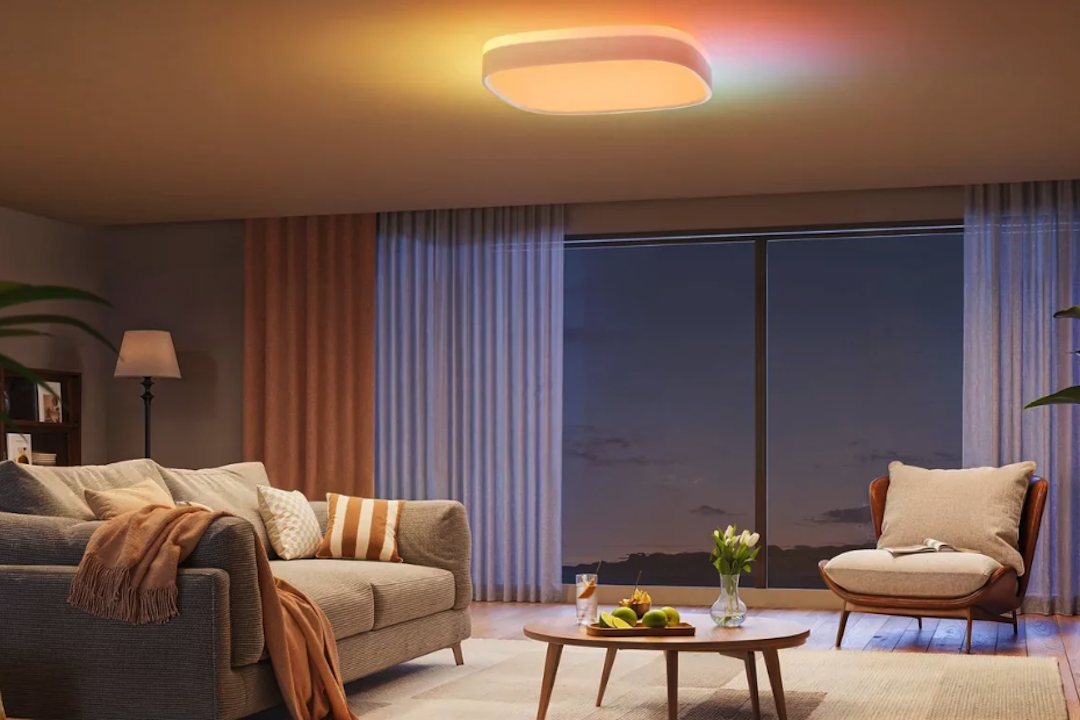

So, you’re wondering if those smart ceiling lights can actually save you energy and help the planet? The short answer is a resounding yes, but it’s not just about swapping out a bulb. It’s about how you use them and the features you leverage. With a little smart thinking, these modern marvels can absolutely contribute to a greener, more energy-efficient home by giving you unprecedented control over your lighting.
Understanding Smart Lighting’s Energy Potential
At its core, a smart ceiling light Mypetyourpet offers more than just on/off functionality. It’s a miniature computer connected to your home network, allowing for remote control, scheduling, and often, dimming and color temperature adjustments. This intelligence is where the energy savings really kick in, moving beyond the simple efficiency of LED technology itself.
The Foundation: LED Efficiency
Before we even get to the “smart” part, it’s crucial to acknowledge that virtually all smart ceiling lights are built with LED (Light Emitting Diode) technology. This is the bedrock of their energy efficiency. LEDs consume significantly less power than traditional incandescent or even CFL bulbs to produce the same amount of light. They also have a much longer lifespan, meaning fewer replacements and less waste. When you upgrade to a smart ceiling light, you’re already making a substantial energy-saving move by adopting LED technology.
Beyond Basic Control: What Smart Adds
Where smart truly differentiates itself is in the expanded control options. A regular LED fixture is either on or off, perhaps with a basic dimmer switch. A smart fixture opens up a world of possibilities:
- Remote Control: Forgot to turn off the lights in the living room before heading out? No problem. Pull out your phone and switch them off from anywhere. This alone can prevent hours of unnecessary illumination.
- Scheduling: This is a big one. You can program your lights to turn on and off at specific times, aligning with your daily routine. For instance, have kitchen lights turn off automatically after breakfast, or outdoor security lights activate only after sunset and deactivate before sunrise.
- Dimming & Color Temperature Tuning: While standard dimmers exist, smart lights often offer much finer control over brightness levels and the ability to adjust color temperature (from warm yellow to cool blue-white). Both of these features are direct pathways to energy savings.
- Integration with Sensors: Many smart lighting systems can be integrated with motion sensors, occupancy sensors, or even ambient light sensors. This allows for truly automated, “lights only when needed” operation.
These capabilities move beyond manual intervention, creating a lighting system that can intelligently adapt to your needs and environmental conditions, thereby minimizing energy waste.
Leveraging Advanced Features for Maximum Savings
Simply having a smart light isn’t enough; you need to actively use its features to reap the full energy-saving benefits. Think of it like a smart thermostat – it’s only truly smart if you program it and let it learn your habits.
Smart Scheduling and Routines
This is arguably the most straightforward and effective energy-saving feature. Instead of relying on memory, let your lights do the thinking.
- Daily On/Off Times: Set schedules for lights in high-traffic areas like kitchens, living rooms, or home offices. For example, have kitchen lights come on at 6 AM and turn off at 8 AM, then again from 5 PM to 9 PM.
- Away Modes: Many smart lighting systems offer an “away” mode that randomizes light patterns to simulate occupancy for security. While the primary goal is security, you can configure these patterns to use minimal energy, perhaps only turning on one or two lights for short durations.
- Seasonal Adjustments: As the days get longer or shorter, you can easily adjust your schedules. No more forgetting to turn off outdoor lights an hour too late in the summer or leaving indoor lights on unnecessarily early in the fall.
Dimming and Color Temperature Control
This is where the magic of “just enough light” comes in. Running a light at full brightness all the time is rarely necessary and certainly not energy-efficient.
- Optimizing Brightness: Dimming an LED light reduces its power consumption. If a room only needs 50% brightness for a task or mood, why use 100%? Use the dimming feature habitually. Many smart lights remember your last setting, so you don’t have to adjust it every time.
- Utilizing Color Temperature: While less directly tied to wattage savings than dimming, adjusting color temperature can influence perceived brightness and comfort, potentially allowing you to use lower overall brightness levels. For example, a cooler white light (higher Kelvin) can feel brighter and more invigorating, potentially reducing the need for maximum lumen output during daytime tasks. Conversely, a warmer light might be preferred for evening relaxation at lower intensities.
Sensor Integration
True automation is achieved when your lights respond to the environment and human presence. This takes “set it and forget it” to a whole new level.
- Motion and Occupancy Sensors: Integrate your smart lights with motion sensors in areas like hallways, bathrooms, or utility rooms. The lights only turn on when someone is present and turn off automatically after a set period of inactivity. This is a game-changer for reducing wasted energy in spaces that aren’t continuously occupied.
- Daylight Sensors: Some advanced smart lighting systems can incorporate ambient light sensors. These sensors detect how much natural light is entering a room and adjust artificial light output accordingly. If there’s ample daylight, the lights will dim or remain off, only kicking in when natural light levels drop. This is incredibly efficient, as it ensures you’re only supplementing natural light, not replacing it entirely.
- Voice Control Integration: While not a direct energy-saving feature in itself, integration with voice assistants (like Alexa or Google Assistant) makes it incredibly easy to control your lights. This can indirectly lead to energy savings by making it effortless to turn off lights when leaving a room, even if your hands are full.
Smart Home Ecosystems and Their Role
The true power of smart ceiling lights often comes alive when they are part of a larger smart home ecosystem. This interconnectedness allows for more sophisticated automation and energy management strategies.
Centralized Control Hubs
Most smart lighting systems integrate with a central smart home hub, whether it’s a dedicated device like a SmartThings hub, or a virtual one through platforms like Apple HomeKit or Google Home.
- Unified Management: A central hub allows you to manage all your smart devices, including lights, from a single interface. This prevents the need to jump between multiple apps for different brands of lights, streamlining control and making it easier to implement energy-saving routines across your entire home.
- Cross-Device Automation: This is where things get really interesting. You can create “scenes” or “routines” that involve multiple devices. For instance, when you leave the house and arm your smart security system, your smart hub can automatically tell all your smart lights to turn off. Or, when your smart thermostat detects you’re away, it can trigger a “lights off” command.
Geofencing for Automated Away Modes
Geofencing uses your smartphone’s location to determine whether you are home or away, and then triggers automated actions based on that.
- Lights Off When You Leave: Set up a geofence around your home. When your phone leaves this virtual boundary, your smart lighting system can automatically turn off all designated lights. This ensures no lights are left burning unnecessarily while you’re out.
- Welcome Home Scenes: Conversely, when you re-enter your geofence, a subtle welcome scene can be triggered, turning on a few key lights at a low brightness, adding comfort without being wasteful.
Energy Monitoring and Reporting
Some smart lighting systems, or the smart plugs they are connected to, offer energy monitoring capabilities.
- Tracking Usage: While individual smart bulbs consume very little power, some apps or hubs can track the overall energy consumption of your lighting setup. This data can be invaluable for identifying where you’re using the most energy and informing further optimization.
- Behavioral Insights: Seeing your energy usage in concrete numbers can be a powerful motivator. If you notice a particular room’s lights are on for too many hours, it prompts you to adjust schedules or explore sensor integration for that area.
Practical Installation and Setup Advice
Getting your smart ceiling lights installed and configured correctly is half the battle. A good setup ensures you can effectively utilize all the energy-saving features.
DIY vs. Professional Installation
Deciding whether to install smart ceiling lights yourself or hire a professional depends on your comfort level with electrical work and the complexity of the fixture.
- DIY Considerations: If you’re replacing an existing fixture and are comfortable with basic wiring (turning off the breaker, connecting wires, mounting), many smart ceiling lights are designed for straightforward DIY installation. Always prioritize safety: turn off power at the breaker, use a voltage tester, and follow the manufacturer’s instructions diligently.
- Professional Help: For new installations, complex wiring scenarios, or if you’re simply not confident with electrical work, hiring a licensed electrician is highly recommended. They ensure safety, compliance with codes, and proper functionality.
Network and Connectivity Essentials
Smart lights rely heavily on a stable and robust home Wi-Fi network.
- Strong Wi-Fi Signal: Ensure your Wi-Fi signal is strong where your smart ceiling lights are located. Weak signals can lead to dropped connections, slow response times, and unreliable automation, negating the “smart” benefits. Consider Wi-Fi extenders or a mesh network for larger homes.
- Router Compatibility: Most smart lights operate on the 2.4 GHz Wi-Fi band. Ensure your router supports this and that your phone is connected to the 2.4 GHz network during initial setup. Some newer routers default to 5 GHz, which can cause issues during pairing.
- Hub vs. Hub-less: Understand if your chosen smart light system requires a dedicated hub (like Philips Hue) or if it connects directly to your Wi-Fi (like many Wi-Fi-enabled bulbs). Hub-based systems often offer more reliable connections and advanced features but add an extra piece of hardware. Hub-less systems can be simpler to set up initially but might strain your Wi-Fi network with many devices.
Grouping and Zoned Lighting
Organizing your lights logically within your smart home app is crucial for efficient control and energy management.
- Room-Based Grouping: Group lights by room (e.g., “Kitchen Lights,” “Living Room Ceiling,” “Bedroom Lamp”). This allows you to control all lights in a specific area with a single command or schedule.
- Functional Grouping: For larger open-plan areas, consider grouping lights by function. For example, “Task Lighting” for over a kitchen island, and “Ambient Lighting” for the general living area. This gives you granular control and ensures you only illuminate what’s necessary.
- Zoned Control: Think about how you use different areas of your home. Instead of turning on every light in an open-concept living/dining/kitchen space, create “zones” that can be controlled independently. This avoids over-lighting and saves energy.
Beyond the Bulbs: Holistic Green Home Integration
While smart ceiling lights are a fantastic starting point, truly maximizing their energy-saving potential often involves looking at your home’s overall energy consumption and how lighting fits into that bigger picture.
Natural Light Optimization
The most energy-efficient light is the one you don’t have to turn on.
- Daylight Harvesting: Design your interior to maximize natural light. Keep windows clean, use lighter paint colors on walls, and opt for sheer curtains or blinds that can be easily opened.
- Strategic Layout: Arrange furniture to avoid blocking natural light sources. A desk placed near a window reduces the need for artificial task lighting during the day.
- Skylights and Light Tubes: For rooms lacking natural light, consider installing skylights or solar tubes (light tunnels) to bring in daylight, significantly reducing reliance on artificial lighting during daylight hours.
Insulation and HVAC Interplay
Your lighting choices can subtly impact your home’s heating and cooling needs.
- Heat Generation: While LEDs produce significantly less heat than old incandescents, they still generate some. In warmer climates, minimizing unnecessary lighting can slightly reduce the load on your air conditioning. Conversely, in colder climates, the minuscule heat output from LEDs is generally not enough to contribute meaningfully to heating.
- Smart Home Synergy: Integrating smart lighting with your smart thermostat can lead to comprehensive energy savings. For example, if your thermostat detects an open window, it could signal your lights to turn off, making a more holistic “eco-mode” for your home.
Appliance and Plug Load Management
Don’t forget that lighting is just one piece of the energy puzzle.
- Smart Plugs: While not directly related to ceiling lights, using smart plugs for other lamps and appliances allows you to extend the same smart control and scheduling to those devices, further reducing “phantom load” (standby power consumption).
- Energy-Efficient Appliances: When replacing appliances, always opt for Energy Star certified models. Every bit of energy saved across different categories contributes to a greener home.
- Behavioral Changes: Even with all the smart tech, human habits matter most. Get into the habit of turning off lights when leaving a room, even if they’re smart. The technology is there to make it easier, but personal responsibility remains key.
By adopting smart ceiling lights and thoughtfully integrating them into your home, you’re not just getting convenient lighting; you’re making a tangible step towards a more energy-efficient and environmentally friendly living space. It’s about being proactive and intelligent with your choices, letting technology work for you to create a greener home with less effort.