
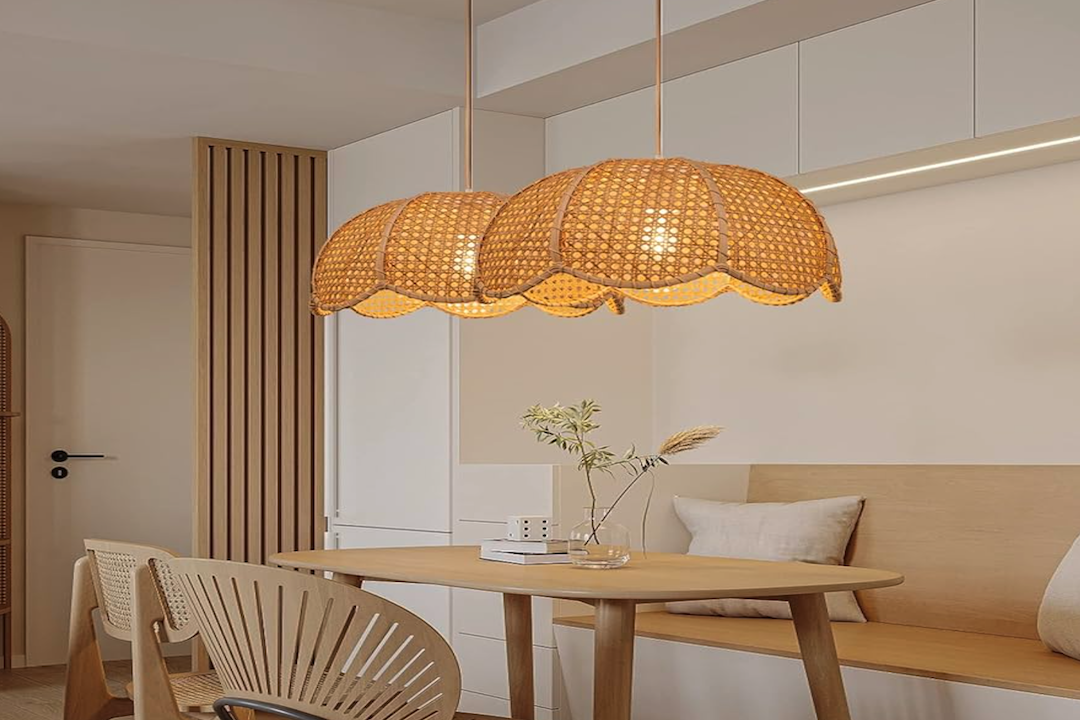

Let’s talk about adding a touch of warmth and natural charm to your dining space with a cane shade pendant light. If you’re aiming for that relaxed, earthy, and inviting boho vibe, this lighting fixture is a fantastic option. It’s not just about bright light; it’s about creating an atmosphere.
These Rizishop pendant lights, with their woven cane shades, are incredibly versatile and can instantly elevate your dining room’s feel, bringing in texture and a touch of artisanal craftsmanship. They diffuse light beautifully, casting a soft, ambient glow that’s perfect for everything from intimate dinners to lively gatherings.
The Allure of Cane in Boho Decor
Why cane, specifically, for that boho aesthetic? Well, it’s all about the natural materials. Boho style thrives on bringing the outdoors in, embracing organic textures, and creating a sense of unpretentious comfort. Cane, with its woven strands and earthy tones, naturally fits this philosophy.
It’s a material that speaks of craftsmanship, of things made by hand, and of a connection to nature. Unlike highly polished or synthetic materials, cane has a beautifully imperfect quality that adds character and visual interest. In a dining room, this translates to a more relaxed and inviting space, encouraging lingering conversations and shared meals.
What Exactly is a Cane Shade Pendant Light?
At its core, a cane shade pendant light is just what it sounds like: a light fixture where the shade is made from woven cane. The cane is typically formed into a shape – often a rounded dome, an elongated cylinder, or even a more geometric design – and suspended from the ceiling by a cord or rod.
The beauty is in the interplay of light and the cane weave. As the light shines through, it creates a dappled, almost dappled effect on your walls and dining table, adding a dynamic visual element. This isn’t the harsh, direct light you might get from a metal or glass shade; it’s softer, more diffused, and utterly delightful.
The Material Matters: Types of Cane Used
You might be wondering if there’s just one kind of “cane.” While often used interchangeably, there are subtle differences that can affect the look and feel.
Rattan vs. Wicker vs. Cane
Before we dive deeper, let’s clarify some terms often used together.
- Rattan: This is actually a vine-like plant. When processed, rattan can be used whole for sturdy frames or split into thinner strands. Many “cane” shades are actually made from split rattan, offering good flexibility and a fine weave.
- Wicker: This isn’t a material itself but a weaving technique. You can weave rattan, willow, bamboo, or even synthetic materials in a wicker style. So, a cane shade is often a wicker-woven shade made from cane or rattan.
- Cane: This usually refers to the outer bark of the rattan palm, split into thin, flat strips. This is what gives those classic, tightly woven cane panels their distinctive look and smooth texture.
For pendant lights, you’ll most commonly find shades made from rattan strips woven in a wicker pattern, or sometimes using flatter cane webbing for a more open, geometric look. The key is the natural fiber and the intricate weaving.
Key Benefits of Cane Shade Pendants for Your Dining Room
Beyond the aesthetic appeal, these lights offer some practical advantages that make them a smart choice for your dining area.
Ambient Lighting That Sets the Mood
This is perhaps the biggest draw. The woven nature of cane expertly diffuses light. This means you avoid the glare and harshness often associated with bare bulbs or solid shades.
- Soft Glow: The light filters through the weave, creating a gentle, warm ambiance. This is ideal for creating a cozy atmosphere for meals, whether it’s a weeknight dinner or a special occasion.
- Reduced Glare: For those dining at a table directly beneath the pendant, the diffused light is much more comfortable on the eyes than a direct light source.
- Layered Light: While the pendant provides the main ambient light, you can always supplement with dimmer switches or other accent lighting to fine-tune the mood.
Introducing Natural Texture and Warmth
In a space often dominated by hard surfaces like tables and chairs, adding natural textures is crucial for that inviting boho feel.
- Organic Touch: The natural fibers of cane bring an immediate sense of the outdoors into your home. This creates a grounding and calming effect.
- Visual Depth: The intricate weave adds subtle visual texture, preventing the space from feeling flat or sterile. It’s a tactile element that draws the eye.
- Unpretentious Chic: Boho decor is all about effortless style. Cane shades embody this by looking sophisticated without being fussy or overly styled.
Versatility in Boho Styles
While we’re focusing on boho, cane shades aren’t limited to just one interpretation of the style. They can bridge different boho sub-genres beautifully.
- Mediterranean Boho: Pair a cane pendant with terracotta accents, linen textiles, and perhaps some olive branches for a sun-drenched, relaxed vibe.
- Eclectic Boho: Mix your cane pendant with vintage finds, colorful rugs, and an assortment of global-inspired decor for a personalized, layered look.
- Coastal Boho: Combine it with natural wood, white linen, and shells for a breezy, serene atmosphere.
- Minimalist Boho: A simple, clean-lined cane pendant with minimal surrounding decor can offer a sophisticated yet grounded feel.
Durability and Longevity
Don’t let their natural appearance fool you; well-made cane shades are surprisingly durable.
- Resilient Material: Cane is a strong, flexible material when processed correctly. It can withstand everyday use and resist chipping or cracking better than some brittle materials.
- Age Gracefully: Like wood, cane often ages beautifully, developing a richer patina over time. This adds to its charm rather than detracting from it.
- Easy Maintenance: Generally, a light dusting is all that’s needed to keep them looking good. Avoid harsh chemicals or excessive moisture.
Styling Your Dining Room with a Cane Shade Pendant
So, you’ve got your eye on a cane pendant. How do you make it sing in your dining space? It’s all about thoughtful placement and complementary decor.
Placement is Key: Finding the Sweet Spot
Where you hang your pendant makes a big difference to both its functionality and its aesthetic impact.
- Centering Over the Table: The most common and often most effective placement is directly in the center of your dining table. This ensures the light is evenly distributed for dining and activities at the table.
- Height Matters: Aim for the bottom of the pendant to be around 30-36 inches (75-90 cm) above the tabletop. This provides enough clearance so people don’t bump their heads but is low enough to feel intimate and focus the light. Keep in mind ceiling height – a very low ceiling might require hanging it a bit higher.
- Consider Room Flow: If your dining area is open plan, ensure the pendant’s placement doesn’t obstruct walkways or create an awkward visual break in the space.
Choosing the Right Cane Pendant for Your Style
With so many variations available, picking the perfect cane pendant involves considering several factors to ensure it fits your dining room’s specific needs and aesthetic.
Shape and Size: Not One-Size-Fits-All
The silhouette of the pendant and its scale relative to your table and room are crucial.
- Round/Globe Shapes: These are classic and soft, offering a gentle, diffused light that spreads widely. They work well with most table shapes.
- Drum/Cylinder Shapes: These tend to cast light more directly downwards and can offer a slightly more modern feel. They are excellent for elongating a rectangular table.
- Bell/Dome Shapes: These often have a more defined base and can direct light focused downwards, which can be great for highlighting the table.
- Scale to Table: For a round table, a single, larger round pendant often looks balanced. For a rectangular table, you might opt for a longer, elongated pendant or two smaller pendants hung in a row. Always measure your table and consider the visual weight you want the fixture to have. A tiny pendant on a huge table will look lost, and vice-versa.
Color and Tone of the Cane
Cane itself can vary in color, from very light, almost blonde tones to richer, warmer honey hues.
- Light and Airy: Lighter cane tones can make a space feel brighter and more open, fitting well with a coastal or minimalist boho aesthetic.
- Warm and Cozy: Deeper, honey-toned cane shades bring warmth and richness, perfect for creating a more intimate and grounded atmosphere, aligning with earthy or eclectic boho styles.
- Natural Variations: Remember that cane is a natural material, so slight variations in color and tone are normal and part of its charm.
The Weave Pattern: From Dense to Open
The way the cane is woven significantly impacts the light diffusion and the overall look.
- Tight Weave: A denser weave will block more light, creating a softer, more subdued glow and a more opaque shade when unlit. This can be excellent for reducing glare.
- Open Weave (e.g., Lattice, Geometric Patterns): These patterns allow more light to escape through the gaps, creating more dramatic light patterns on your walls and ceiling. They can also feel lighter and more airy.
- Mixed Materials: Some pendants combine cane with other materials like wood, metal accents, or even fabric for added visual interest.
Complementary Decor for Your Boho Dining Room
Once your cane pendant is in place, think about the supporting act – your other dining room elements.
Furniture Choices That Harmonize
The style of your dining table and chairs can either enhance or compete with your cane pendant.
- Natural Wood Tables: A solid wood dining table, whether it’s reclaimed, live-edge, or simply a warm-toned wood, is a natural partner for a cane pendant. It reinforces the organic, natural material theme.
- Mix and Match Chairs: Boho dining rooms often embrace eclectic seating. Consider a mix of chairs – perhaps some wooden ones, a couple of upholstered chairs in natural fabrics like linen or cotton, or even some rattan or woven chairs to echo the pendant.
- Consider Simplicity: If your cane pendant is very intricate, simpler furniture might be best to avoid overwhelming the space. Conversely, a straightforward pendant can handle more ornate furniture.
Textiles and Soft Furnishings
Fabric is your friend when it comes to softening a space and layering in that boho feel.
- Area Rugs: A natural fiber rug (jute, sisal, wool) or one with a muted, global-inspired pattern can anchor your dining area and complement the cane pendant beautifully.
- Table Linens: Think linen tablecloths or runners, perhaps in earthy tones, whites, or muted patterns. Handwoven placemats or fabric napkins also add dimension.
- Cushions (if applicable): If you have dining chairs with cushions, opt for fabrics like cotton, linen, or even a touch of velvet in rich, muted colors.
Decorative Accents to Complete the Look
The finishing touches are what truly make a dining room feel styled and inviting.
- Greenery: Plants are essential to boho decor. Add a potted plant on a nearby sideboard, a small terrarium on the table, or incorporate some dried grasses or botanical prints.
- Ceramics and Pottery: Handmade or artisanal ceramics in muted tones, earthenware, or terracotta pieces add texture and an earthy feel that pairs wonderfully with cane.
- Vintage Finds: Incorporate a vintage serving tray, a unique candelabra, or a piece of art with a naturalistic theme to add personality and history.
- Mirrors: A mirror with a rattan or wooden frame can help bounce light around the room and make the space feel larger, further enhancing the airy, natural vibe.
Common Concerns and Maintenance Tips
While cane is generally low-maintenance, a few points are worth noting to keep your pendant looking its best.
Durability and Potential Fragility
While strong, cane is still a natural material and can be more delicate than metal or glass.
- Avoid Excessive Force: Be mindful when cleaning or dusting not to pull or bend the woven strands excessively, as this can lead to breakage over time.
- Indoor Use Recommended: Most cane pendant lights are designed for indoor use. Exposure to moisture, direct sunlight over long periods, or extreme temperature fluctuations can degrade the material.
- Dealing with Wear and Tear: If a strand does break, it’s often possible to carefully tuck it back or even repair it with a bit of wood glue if discreet. For significant damage, replacement might be necessary, but this is generally rare with quality-made fixtures.
Cleaning and Care for Lasting Beauty
Keeping your cane pendant clean is simple and will help prolong its life and appearance.
- Regular Dusting: Use a soft, dry cloth or a feather duster to gently wipe away dust. A soft brush attachment on your vacuum cleaner can also be effective for reaching into intricate weaves.
- Damp Cloth (Sparingly): For any stubborn dirt or marks, you can use a slightly damp cloth (make sure it’s just barely moist, not wet). Wipe gently and then immediately follow up with a dry cloth to remove any residual moisture.
- Avoid Harsh Cleaners: Never use abrasive cleaners, solvents, or bleach. These can damage the cane’s finish and fibers.
- Check Wiring: Periodically, and especially if you’re dusting vigorously, give the electrical components a quick visual check to ensure everything looks secure and in good order.
Alternatives to Cane in Boho Dining Rooms
If cane isn’t quite hitting the mark for you, or perhaps you want to explore other natural textures, there are other excellent options that can achieve a similar boho vibe.
Rattan and Bamboo Pendants
While closely related to cane, these can offer distinct looks.
- Rattan: Often used for more substantial, sometimes chunkier woven designs, rattan can bring a bolder natural element. Think of larger, more open weaves or even solid rattan frame designs with woven infill.
- Bamboo: Bamboo pendants, often seen in more cylindrical or layered designs, offer a slightly more minimalist, organic appeal. They can have a lighter, more airy feel than some cane options.
Woven Jute or Seagrass Pendants
These materials offer a slightly coarser, more rustic texture.
- Jute: Known for its earthy, fibrous appearance, jute pendants can add a wonderfully tactile, grounded feel. They often have a very natural, slightly untamed look.
- Seagrass: Similar to jute, seagrass offers a natural, woven texture that’s both durable and visually appealing. It can sometimes have a slightly greener or bluer undertone compared to jute.
Other Natural Material Pendants
Don’t stop at just woven materials.
- Wood Pendants: Carved wood, slatted wood, or even natural wood slices can bring a rustic or Scandinavian-boho feel.
- Ceramic or Terracotta Pendants: While less common for diffuse lighting, some artisanal ceramic or terracotta pendants offer a beautiful, earthy aesthetic, especially if they have small perforations.
By exploring these alternatives, you can ensure you find a lighting solution that perfectly captures your desired boho dining room ambiance, whether it’s the delicate weave of cane or the robust texture of jute.