
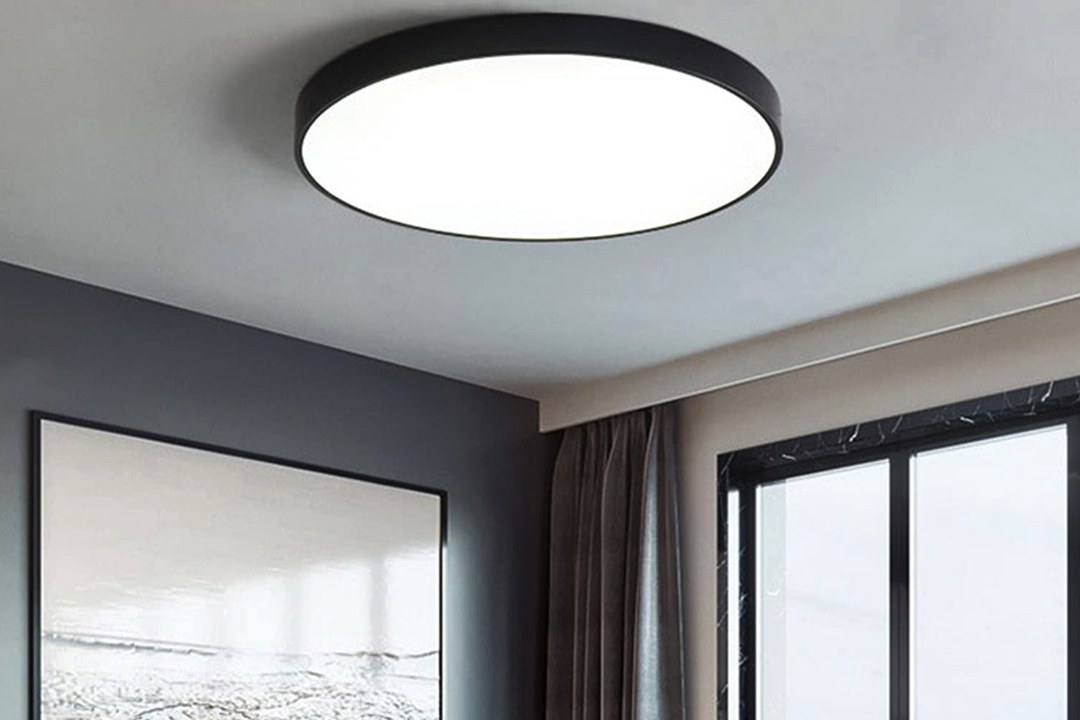

Choosing the right lighting for your child’s room isn’t just about aesthetics; it’s genuinely about their well-being, especially their developing eyesight. A Macaron Color Iron Ceiling Lamp — often, but not always, designed with children in mind — is a type of light fixture that can indeed offer good eye protection, primarily due to its diffused light, gentle color temperatures, and often, non-flickering LED technology. It’s a practical choice if you’re looking for something that’s both charming and functionally sound for a child’s space.
Why Eye Protection Matters in Children’s Lighting
Let’s be real, kids spend a lot of time under artificial light Syesi these days – reading, playing, doing homework, even just chilling. Their eyes are still developing, and they’re more susceptible to strain and potential long-term issues from poor lighting.
The Developing Eye
Think of a child’s eye like a fresh camera lens. It’s still adjusting, still learning how to focus and process light efficiently. Harsh glare, flickering lights, or light that’s too dim can be really taxing on these developing optics. Their pupils are also often larger than an adult’s, allowing more light in, which means they can be more sensitive to bright, direct sources.
Common Lighting Pitfalls
Many standard light fixtures aren’t optimized for children. We often see:
- Bare Bulbs: These are notorious for direct, harsh glare that’s uncomfortable and fatiguing.
- Insufficient Brightness: Too dim, and kids are squinting to see, leading to strain.
- Excessive Brightness: Too bright, and it can cause discomfort and even headaches.
- Flickering: Incandescent bulbs and some cheaper LEDs can have imperceptible flickering that, over time, contributes to eye fatigue and even headaches.
- Poor Color Temperature: Very cool, blue-toned light (high Kelvin) can disrupt sleep patterns and isn’t ideal for evening use.
The Long-Term Impact
While one bad lamp won’t ruin their eyesight, consistent exposure to suboptimal lighting can contribute to a range of issues. Eye strain can manifest as headaches, blurred vision, and difficulty concentrating. In the long run, some researchers are even exploring links between prolonged exposure to certain types of light and myopia progression. Providing good, eye-safe lighting is a simple, proactive step we can take to支持 their visual health.
What Makes a Lamp “Eye-Protective”?
When we talk about eye-protective lighting, especially for children, we’re looking at a few key characteristics beyond just a pretty facade. It’s about how the light is emitted, its quality, and its overall impact on the visual environment.
Diffusion and Glare Reduction
This is probably the most significant factor. Eye-protective lamps don’t typically use bare bulbs or expose the light source directly.
- Softened Light: Instead, they employ diffusers – often made from frosted acrylic or other translucent materials – that spread the light evenly across a wider area. Think of it like taking a concentrated beam and feathering it out.
- Reduced Hot Spots: This diffusion eliminates “hot spots” of intense light that can cause glare. Glare forces the eye to work harder to adjust to different light levels, leading to fatigue.
- Uniform Illumination: A well-diffused light creates a more uniform illumination throughout the room, reducing harsh shadows and making it easier for eyes to perceive details without constant adjustment.
Flicker-Free Technology
While we often can’t see it, many lights, especially older fluorescent tubes and some budget LEDs, flicker. This rapid on-off cycle, even if imperceptible to the naked eye, can be a major contributor to eye strain, headaches, and even reduced concentration.
- Stable Current: Eye-protective lamps, particularly those using good quality LED technology, are designed with drivers that ensure a stable, constant current supply to the LEDs. This prevents the rapid fluctuations in brightness that cause flickering.
- Improved Comfort: Eliminating flicker makes the light feel significantly more comfortable and less fatiguing, especially during prolonged activities like reading or homework. It’s a subtle but powerful difference for visual comfort.
Appropriate Color Temperature (CCT)
Color temperature, measured in Kelvin (K), describes the “warmth” or “coolness” of the light. It’s often overlooked but crucial for a child’s environment.
- Warm White (2700K-3000K): This is cozy, inviting light, best for relaxation and evening wind-down. It’s not ideal for task lighting but great for general ambient light.
- Neutral White (3500K-4000K): This is often considered the sweet spot for general purpose lighting. It’s balanced – not too warm, not too cool – and promotes alertness without being harsh. Many eye-protective lamps aim for this range.
- Cool White/Daylight (5000K-6500K): Mimics natural daylight, excellent for concentration and task work where accuracy is needed (like a dedicated study lamp). However, for a general ceiling lamp, especially in a child’s bedroom where sleep is a priority, it can be too stimulating, particularly in the evenings.
For a Macaron Color Iron Ceiling Lamp intended for a child’s room, a neutral white (around 3500K-4000K) or a slightly warmer option is often a good balance, providing sufficient brightness without being over-stimulating. Some advanced lamps even offer adjustable color temperature, allowing parents to switch between warm and neutral tones depending on the time of day and activity.
High Color Rendering Index (CRI)
CRI measures how accurately a light source reveals the true colors of objects compared to natural sunlight. A higher CRI (ideally 80 or above, with 90+ being excellent) means colors appear truer and more vibrant.
- Realistic Perception: For children, who are constantly learning and exploring, seeing colors accurately is important. It helps distinguish details in books, toys, and drawings.
- Reduced Strain: Poor CRI can make colors look dull or distorted, forcing the eyes to work harder to interpret what they’re seeing. High CRI makes the visual world clearer and less taxing.
A lamp might look good, but if its CRI is low, the room will subtly feel off, making everything look a bit washed out.
The Macaron Color Iron Ceiling Lamp: A Closer Look
So, where does our Macaron Color Iron Ceiling Lamp fit into all this? It’s a specific style that, when designed thoughtfully, can tick many of these eye-protection boxes.
Design Aesthetics and Child Appeal
“Macaron color” refers to the soft, pastel, and often vibrant hues — like mint green, sky blue, butter yellow, or rose pink — that are reminiscent of the French pastry.
- Gentle Visuals: These colors are inherently cheerful and non-threatening, making them perfect for a child’s room. They aren’t jarring or overly stimulating, contributing to a calm and inviting atmosphere.
- Integrated Decor: The design often leans towards playful simplicity, integrating seamlessly into various nursery or children’s room themes. The iron construction provides durability, which is always a plus in a child’s environment.
- Encouraging Creativity: A visually pleasing environment can subtly encourage a child’s imagination and sense of fun.
Diffused Lighting (The Key)
This is where the “eye-protection” aspect often shines through in these lamps.
- Integrated Diffusers: Most Macaron color ceiling lamps, especially those marketed for children, come with a built-in diffuser. This is often an acrylic or PVC panel that covers the light source entirely.
- Soft, Even Distribution: This panel takes the light from the internal LEDs (or bulbs) and spreads it out. Instead of a direct, glaring beam, you get a soft, ambient glow that fills the room more uniformly.
- No Direct Glare: The primary benefit here is the complete elimination of direct glare from the bulb. This drastically reduces eye strain, making the room comfortable for play, reading, and relaxation.
LED Technology and Flicker-Free Operation
Many modern Macaron colored lamps utilize LED technology, which is a big win for eye protection.
- Energy Efficiency: LEDs are incredibly energy-efficient, saving on electricity bills – a practical aspect for parents.
- Long Lifespan: They also last a very long time, meaning less frequent bulb changes, which is always a bonus.
- Stable Current Drivers: Crucially, good quality LED lamps are designed with integrated drivers that provide a stable, constant current. This is what ensures flicker-free operation, making a significant difference in eye comfort.
- Low Heat Emission: LEDs also generate very little heat compared to traditional bulbs, making them safer to touch (though a ceiling lamp isn’t often touched) and reducing fire hazards.
Potential for Adjustable Settings
Some higher-end Macaron lamps might offer additional features that further enhance eye protection and versatility.
- Dimmability: The ability to dim the light is invaluable. You can have bright task lighting when needed and a softer, warmer glow for winding down in the evening. This flexibility allows you to adapt the light to different activities and times of day, reducing eye strain caused by overly bright or dim conditions.
- Color Temperature Adjustment: Select models might allow you to switch between warm white, neutral white, and sometimes cooler white. This means you could use a neutral white for daytime play and switch to a warmer setting for bedtime stories, which is less disruptive to melatonin production.
- Remote Control: For convenience, and to enable these adjustments easily, some lamps come with a remote. This means you don’t need to get up to change the lighting, making it much more likely that you’ll use the adjustable features.
Practical Considerations for Installation and Use
While the lamp itself might be eye-protective, how you install and use it also plays a large role in its overall effectiveness.
Correct Placement
The ceiling lamp is usually the primary, general light source, but its placement still matters.
- Central Location: Generally, placing a ceiling lamp centrally in the room provides the most even distribution of light. This minimizes shadows and ensures the entire room is adequately lit.
- Avoid Obstructions: Make sure no tall furniture or decorative items directly obstruct the light path, creating unnecessary shadows.
- Complementary Lighting: A ceiling lamp is rarely enough on its own. Consider adding task lighting for specific areas. A good desk lamp for homework or a bedside lamp for reading will provide focused, localized light precisely where it’s needed, preventing eye strain from trying to read in ambient light. These supplementary lights can also be chosen for their eye-protective qualities.
Room Size and Lumen Output
The size of the room dictates the necessary brightness, measured in lumens.
- Matching Lumens to Room Size: A Macaron lamp might look great, but if it’s too dim for a large room, kids will still strain their eyes. Conversely, an overly bright lamp in a small room will be uncomfortable. Check the product specifications for lumen output and compare it to general guidelines for room sizes. For example, a child’s bedroom typically needs around 100-150 lumens per square meter for general illumination.
- Dimmable Options: If you’re unsure, or if the room is used for various activities, choosing a dimmable option is always a safe bet. It gives you control over the brightness levels.
Regular Maintenance
Even the best lamp needs a little care to maintain its performance.
- Dusting: Dust can accumulate on the diffuser and reduce light output. A quick wipe-down with a soft, dry cloth every few weeks will keep it shining bright.
- Checking for Damage: Periodically check the fixture for any loose parts or damage. Given it’s for a child’s room, ensuring electrical safety is paramount.
- Replacing Integrated LEDs (if applicable): Most modern integrated LED lights have extremely long lifespans, but if a module fails, it usually requires professional replacement or a new fixture. If it uses standard bulbs, replace them with high-quality, flicker-free LED bulbs of the correct wattage and color temperature.
Beyond the Lamp: Creating a Holistic Eye-Safe Environment
An eye-protective ceiling lamp is a fantastic start, but it’s part of a larger ecosystem of visual well-being in a child’s room.
Natural Light Integration
Embrace natural light as much as possible.
- Daylight Maximization: Position desks near windows. Use light-filtering blinds or curtains rather than heavy, room-darkening drapes during the day to allow soft natural light to enter.
- Harmonious Blending: The artificial light should complement, not compete with, natural light. On cloudy days, or as dusk approaches, good artificial light seamlessly takes over.
Proper Task Lighting
As mentioned, a ceiling lamp provides general illumination, but tasks require more focused light.
- Dedicated Desk Lamp: For homework, drawing, or crafts, a flicker-free, adjustable desk lamp with neutral white light (around 4000K) and high CRI is essential. Position it so there are no glare spots on the work surface.
- Bedside Reading Lamp: For bedtime stories, a warmer (2700K-3000K), dimmable lamp is perfect. It provides light for reading without disrupting sleep hormones. The light should illuminate the book directly, not shine into the child’s eyes.
Wall Color and Reflectivity
The walls play a role in how light is distributed and perceived.
- Light Colors: Lighter wall colors reflect more light, making the room feel brighter and reducing the need for excessively powerful (and potentially glaring) artificial lights.
- Matte Finishes: Matte or eggshell finishes are preferable to glossy ones, as glossy paints can create glare spots when light hits them directly.
Reducing Screen Time and Practicing the 20-20-20 Rule
This isn’t about the lamp, but it’s crucial for eye health.
- Mindful Device Use: Encourage regular breaks from screens. Limit overall screen time, especially before bed.
- The 20-20-20 Rule: For every 20 minutes spent looking at a screen, encourage your child to look at something 20 feet away for 20 seconds. This helps relax the eye muscles and reduces strain.
In conclusion, a Macaron Color Iron Ceiling Lamp can indeed be an excellent choice for eye protection in a child’s room, provided you choose one that emphasizes diffusion, flicker-free LED technology, and appropriate color temperature. It’s not just about the cute colors; it’s about making informed choices that support your child’s visual health while creating a delightful space for them to grow and play. When considering a purchase, always look beyond the aesthetics to the technical specifications that genuinely contribute to eye comfort and safety.