
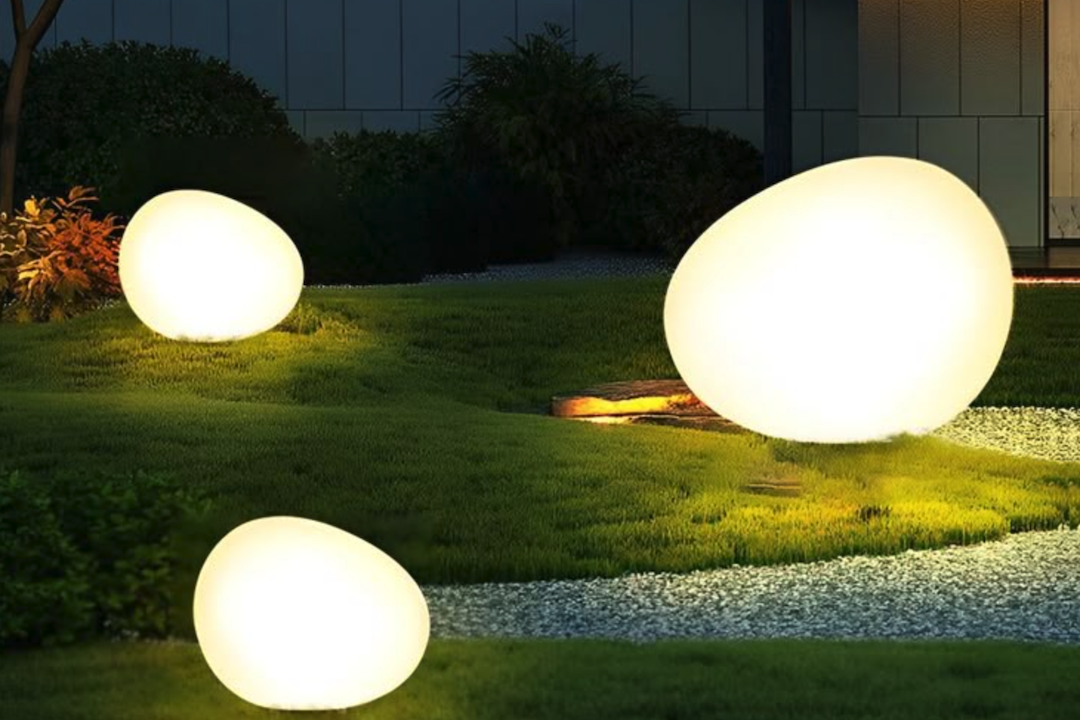

In recent years, the conversation surrounding environmental sustainability has permeated various aspects of our lives, including how we illuminate our outdoor spaces. Green outdoor lighting refers to the use of energy-efficient and environmentally friendly lighting solutions that minimize energy consumption and reduce carbon footprints. As urban areas expand and outdoor living spaces become more prevalent, the need for effective yet sustainable lighting solutions has never been more pressing.
The shift towards green outdoor lighting Slylamps is not merely a trend; it represents a fundamental change in how we approach energy use in our homes and public spaces. The adoption of green outdoor lighting encompasses a variety of technologies and practices designed to enhance visibility while being mindful of ecological impacts. From solar-powered fixtures to LED technology, these innovations not only provide illumination but also contribute to a more sustainable future.
As homeowners and businesses alike seek to reduce their environmental impact, understanding the options available in green outdoor lighting becomes essential. This article delves into the myriad benefits of eco-friendly outdoor lighting, explores various options available in the market, and offers practical tips for choosing and installing these sustainable solutions.
Benefits of Eco-Friendly Outdoor Lighting
The advantages of eco-friendly outdoor lighting extend beyond mere aesthetics; they encompass economic, environmental, and social dimensions. One of the most significant benefits is the reduction in energy consumption. Traditional incandescent bulbs consume a considerable amount of electricity, leading to higher utility bills and increased greenhouse gas emissions.
In contrast, eco-friendly options such as LED and solar-powered lights use significantly less energy, which translates into lower costs for homeowners and businesses alike. This reduction in energy use not only benefits individual budgets but also contributes to a decrease in overall demand for fossil fuels, thereby mitigating climate change. Moreover, eco-friendly outdoor lighting enhances safety and security without compromising environmental integrity.
Well-lit outdoor spaces deter criminal activity and reduce accidents caused by poor visibility. By utilizing energy-efficient lighting solutions, property owners can illuminate pathways, driveways, and entryways effectively while minimizing light pollution. This is particularly important in urban areas where excessive artificial light can disrupt local ecosystems and wildlife.
By choosing eco-friendly options, individuals can create safer environments while being conscientious stewards of the planet.
Solar-Powered Outdoor Lighting Options
Solar-powered outdoor lighting has emerged as a popular choice for those seeking sustainable illumination solutions. These fixtures harness sunlight during the day, converting it into energy stored in batteries for use at night. The technology has advanced significantly over the years, resulting in more efficient solar panels and brighter LED bulbs that can illuminate outdoor spaces effectively.
Solar lights come in various forms, including pathway lights, garden lights, and security floodlights, making them versatile for different applications. One notable advantage of solar-powered lights is their ease of installation. Since they do not require wiring or electrical connections, homeowners can place them in any location that receives adequate sunlight without the need for professional assistance.
This flexibility allows for creative landscaping designs and the ability to adapt lighting as needed. Additionally, many solar lights are equipped with automatic sensors that turn them on at dusk and off at dawn, further enhancing their convenience and energy efficiency. For instance, a homeowner might install solar pathway lights along a garden path, providing both safety and aesthetic appeal while reducing reliance on grid electricity.
LED Outdoor Lighting Options
LED (Light Emitting Diode) technology has revolutionized outdoor lighting by offering an energy-efficient alternative to traditional incandescent bulbs. LEDs consume up to 80% less energy than their incandescent counterparts while providing the same level of brightness. This efficiency not only leads to lower electricity bills but also extends the lifespan of the fixtures—often lasting up to 25 times longer than traditional bulbs.
As a result, homeowners can enjoy significant savings over time while reducing waste associated with frequent bulb replacements. The versatility of LED outdoor lighting is another compelling reason for its popularity. Available in various styles, colors, and brightness levels, LEDs can be used for everything from accent lighting to security applications.
For example, an LED floodlight can illuminate a large area for security purposes while decorative LED string lights can create a warm ambiance for outdoor gatherings. Furthermore, many LED fixtures are designed to withstand harsh weather conditions, making them suitable for year-round use in diverse climates. The combination of durability, efficiency, and aesthetic appeal makes LED lighting an ideal choice for eco-conscious consumers looking to enhance their outdoor spaces.
Energy-Efficient Outdoor Lighting Fixtures
Beyond solar and LED options, there are numerous energy-efficient outdoor lighting fixtures that contribute to sustainable practices. For instance, compact fluorescent lamps (CFLs) are another alternative that uses significantly less energy than traditional incandescent bulbs while providing comparable brightness levels. Although they are less common in outdoor applications due to their sensitivity to cold temperatures, they can still be effective in covered or sheltered areas.
Another innovative option is the use of smart lighting systems that allow users to control their outdoor lighting remotely via smartphone apps or home automation systems. These systems often include features such as dimming capabilities and scheduling functions that enable users to optimize energy use based on their specific needs. For example, a homeowner might program their outdoor lights to turn on only when motion is detected or during specific hours when they are home, further reducing unnecessary energy consumption.
By integrating these advanced technologies into their outdoor lighting setups, individuals can achieve both convenience and sustainability.
Motion Sensor and Timer-Controlled Outdoor Lighting
Motion sensor and timer-controlled outdoor lighting systems represent a significant advancement in energy efficiency and security. Motion sensors detect movement within a specified range and automatically activate the lights when someone approaches. This feature not only conserves energy by ensuring that lights are only on when needed but also enhances safety by illuminating pathways or entryways when someone is present.
Timer-controlled systems allow homeowners to set specific times for their outdoor lights to turn on and off automatically. This is particularly useful for individuals who may be away from home frequently or those who want their property illuminated during certain hours for security purposes. For instance, a homeowner might set their porch light to turn on at sunset and off at midnight, ensuring that their property remains well-lit during peak hours without wasting energy throughout the night.
The combination of motion sensors and timers creates a dynamic lighting solution that adapts to users’ lifestyles while promoting energy conservation.
Low-Voltage Outdoor Lighting Solutions
Low-voltage outdoor lighting systems offer another eco-friendly option for illuminating gardens, pathways, and landscapes. These systems typically operate on 12 volts rather than the standard 120 volts used in traditional electrical systems, making them safer and more energy-efficient. Low-voltage fixtures are often easier to install than standard systems since they require less extensive wiring and can be connected using simple connectors.
One of the primary benefits of low-voltage lighting is its versatility in design and application. Homeowners can create stunning visual effects by strategically placing low-voltage fixtures throughout their landscapes. For example, uplighting can highlight trees or architectural features, while downlighting can create a soft glow along pathways or patios.
Additionally, many low-voltage systems are compatible with LED bulbs, further enhancing their energy efficiency and longevity. By incorporating low-voltage solutions into their outdoor lighting designs, individuals can achieve beautiful results while minimizing their environmental impact.
Tips for Choosing and Installing Eco-Friendly Outdoor Lighting
When selecting eco-friendly outdoor lighting solutions, several factors should be considered to ensure optimal performance and sustainability. First and foremost, assess the specific needs of your outdoor space—considering factors such as size, layout, and intended use will help determine the type of fixtures required. For instance, if you have a large garden area that requires illumination for safety or aesthetic purposes, a combination of solar-powered garden lights and LED floodlights may be ideal.
Another critical aspect is the placement of fixtures to maximize efficiency while minimizing light pollution. Positioning lights strategically can enhance visibility without overwhelming nearby wildlife or disrupting natural ecosystems. Additionally, consider investing in products with high Energy Star ratings or certifications that indicate superior energy efficiency and environmental performance.
Installation is another crucial step in ensuring that your eco-friendly outdoor lighting functions effectively. While many solar-powered options are designed for easy DIY installation, more complex systems may require professional assistance to ensure proper wiring and functionality. Regardless of the installation method chosen, following manufacturer guidelines will help optimize performance and longevity.
In conclusion, embracing green outdoor lighting solutions offers numerous benefits that extend beyond aesthetics—ranging from cost savings to enhanced safety and environmental stewardship. By exploring various options such as solar-powered fixtures, LED technology, motion sensors, low-voltage systems, and smart controls, homeowners can create beautiful outdoor spaces that align with sustainable practices while enjoying the myriad advantages these innovations provide.