
Mushroom table lamps have a surprisingly enduring charm, and it’s easy to see why designers keep coming back to them. They offer a fantastic blend of functional light and organic, sculptural beauty that just works in a wide variety of spaces. Forget fleeting trends; these lamps have a certain je ne sais quoi that makes them a reliable favorite for bringing a touch of natural elegance and soft illumination into any room.
It’s not just a passing fad; mushroom lamps have been a consistent feature in interior design for decades, evolving with styles but never truly going out of style. There’s a fundamental appeal to their form that resonates with our innate appreciation for natural shapes.
A Nod to Nature’s Simplicity
The most obvious reason for their appeal is their direct inspiration from nature. The gentle curve of a mushroom cap, the sturdy base – it’s a shape we instinctively recognize and find comforting. This organic form immediately softens a room, contrasting beautifully with sharper architectural lines or modern furniture. It’s a subtle way to bring the outdoors in without needing a single houseplant. Think about how a perfectly formed mushroom cap creates a natural shelter; these lamps mimic that sense of enclosure and warmth, creating a little cocoon of light.
A Versatile Design Chameleon
One of the greatest strengths of the mushroom lamp is its incredible adaptability. You can find them in sleek, minimalist designs, bold retro iterations, or even rustic, handcrafted versions. This versatility means they can effortlessly slot into almost any decor scheme. Whether your home leans mid-century modern, bohemian, Scandinavian, or even more traditional, there’s likely a mushroom lamp that will feel right at home. It’s less about making a statement and more about harmonizing with the existing aesthetic, or sometimes, providing a gentle counterpoint.
Iconic Shapes and Their Influence
Many of the mushroom lamps we see today draw inspiration from a rich history of design, with certain pieces achieving iconic status and influencing countless variations. Understanding these origins helps appreciate their timelessness.
The Mid-Century Modern Roots
The mid-20th century was a fertile ground for innovative lighting design, and mushroom lamps found a strong foothold. Designers of this era embraced organic forms, new materials, and a focus on functionality paired with aesthetic appeal.
The Cobra Lamp by Greta Grossman
While not strictly a mushroom, Greta Grossman’s Cobra Lamp (designed in 1947) shares a similar rounded, diffused light quality and a sculptural base that hints at the organic inspiration many mushroom lamps would later embody. It showcased how a lamp could be both a light source and a piece of art. Its ability to direct light while still maintaining a soft, diffused glow set a precedent for how these organic forms could function.
The Nesso Lamp by Giancarlo Mattioli
Perhaps one of the most recognizable mushroom lamps, the Nesso lamp, designed by Giancarlo Mattioli for Artemide in 1967, is a true icon. Its bold, playful, and futuristic design, often crafted from ABS thermoplastic, perfectly captured the spirit of the 60s. It’s a testament to how a simple, rounded form can be both functional and a powerful design statement. The Nesso’s wide, umbrella-like shade distributes light beautifully, creating a warm, inviting glow. It pushed the boundaries of plastic in design, proving that it could be elegant and stylish.
The Italian Design Legacy
Italian designers, in particular, have a knack for combining art and industry, and mushroom lamps benefited greatly from this approach. Their designs often emphasize sculptural quality and innovative use of materials.
The Atollo Lamp by Vico Magistretti
Vico Magistretti’s Atollo lamp (1977) is another celebrated example. Its geometric yet soft silhouette—a cone, a cylinder, and a hemisphere—creates a stunning mushroom-like profile. Made from materials like metal or Murano glass, the Atollo exudes sophistication and has won numerous awards. It’s a masterclass in how simple geometric shapes can combine to create something profoundly elegant and enduring. The way light reflects off its surfaces adds to its sculptural appeal, making it a focal point even when not illuminated.
The Murano Glass Tradition
Many exquisite mushroom lamps hail from Murano, Italy, where glassblowing traditions run deep. These lamps often feature swirled patterns, vibrant colors, or subtle translucency, adding another layer of artistry and uniqueness. Each piece is a testament to skilled craftsmanship, making them not just lamps, but genuine works of art. The diffusion of light through hand-blown glass creates a unique, almost ethereal glow that mass-produced alternatives can’t replicate.
The Magic of Illumination
Beyond their shape, how mushroom lamps distribute light is a key part of their appeal. They’re masters of creating ambience.
Soft, Diffused Glow
Unlike task lamps that aim a focused beam, most mushroom lamps are designed to provide a soft, ambient glow. Their typically domed or bell-shaped shades diffuse light beautifully, preventing harsh glares and creating a warm, inviting atmosphere. This makes them perfect for living rooms, bedrooms, or any space where you want to foster relaxation and comfort. It’s the kind of light that encourages conversation and unwinding, rather than intense activity.
Creating Cozy Zones
Placing a mushroom lamp on a side table, a console, or even a bedside table instantly creates a cozy, defined zone within a larger room. The localized light draws the eye and makes that specific area feel more intimate and welcoming. It’s a subtle way to section off an open-plan space or add a touch of warmth to a forgotten corner. Think of it as creating little pockets of hygge throughout your home.
Sculptural Presence Even When Off
One often-overlooked aspect is their visual appeal even when not illuminated. Thanks to their distinct shapes and often interesting materials, mushroom lamps function as decorative sculptures during the day. They add visual interest and a touch of artistic flair to a room, proving that lighting can be both functional and a key element of your decor scheme. Their form holds its own, contributing to the room’s aesthetic even in daylight.
Practicality Meets Aesthetics
It’s not just about looking good; mushroom lamps are also incredibly practical additions to many homes.
Perfect for Smaller Surfaces
Their typically compact footprint makes them ideal for smaller side tables, nightstands, or bookshelves where a larger, more imposing lamp would feel overwhelming. They provide ample light without monopolizing precious surface real estate. This makes them incredibly useful in apartments or rooms with limited space, offering functionality without clutter.
Easy to Integrate
Because of their versatile form, mushroom lamps are surprisingly easy to integrate into existing decor. You don’t need to redecorate an entire room around one; they tend to blend in seamlessly while still adding a touch of personality. They are not demanding pieces but rather complementary ones, enhancing the overall feel without stealing the show.
A Range of Materials and Finishes
From sleek polished chrome and opaque plastic to warm wood and delicate hand-blown glass, mushroom lamps come in a vast array of materials. This allows for a huge range of aesthetic expressions, from ultra-modern to rustic chic.
Glass: Elegance and Translucence
Glass mushroom lamps, especially those from Murano, offer a beautiful translucency that allows light to filter through, creating a soft, ethereal glow. They often feature swirls, ripples, or colored glass that add depth and visual interest. These can feel more delicate and luxurious, perfect for a refined setting.
Metal: Modern and Industrial Edge
Metal versions, often in brushed brass, polished chrome, or matte black, lend a more contemporary or industrial feel. They offer a clean, defined silhouette and can act as a subtle metallic accent in a room. Their reflective surfaces can also play with light in interesting ways.
Plastic: Playful and Affordable
High-quality plastic versions, often inspired by mid-century designs, bring a playful and sometimes retro vibe. They are durable, often more affordable, and come in a wide range of colors, making them a fun way to inject personality. They can be surprisingly sophisticated, as seen in iconic designs like the Nesso.
Ceramic/Terracotta: Organic and Earthy
For a more artisanal or earthy feel, ceramic or terracotta mushroom lamps are an excellent choice. Their matte textures and natural tones bring a grounded, handcrafted warmth to a space, fitting perfectly into bohemian or wabi-sabi inspired interiors.
Styling Your Mushroom Lamp
Integrating a mushroom lamp into your home design is straightforward, but a few tips can help maximize its impact.
Bedside Bliss
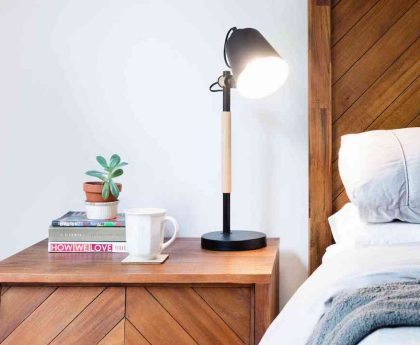
A classic placement, a mushroom lamp on a bedside table provides perfect ambiance for winding down. Its soft light is gentle on the eyes, ideal for late-night reading without disturbing a partner. Opt for a dimmer switch if possible for ultimate control over the mood. The diffused light creates a calming atmosphere, perfect for a sleep sanctuary.
Living Room Accent
Use a mushroom lamp on an end table next to a sofa or armchair to create a cozy reading nook or simply to add a warm glow to your living space. It can act as a subtle anchor for a vignette with books and other decorative objects. It draws the eye to that particular seating area, inviting relaxation.
Entryway Welcome
In an entryway or on a console table, a mushroom lamp offers a warm welcome home. It provides just enough light to soften the space without being overpowering, creating an inviting first impression. Paired with a small plant or a decorative bowl, it can elevate the entire entry.
Office Oasis
Even in a home office, a mushroom lamp can be a calming presence. Place it on a credenza or a less-used corner of your desk for ambient light that reduces eye strain and adds a touch of personality, breaking up the often-stark functional elements of an office. It can serve as a visual break and a source of gentle illumination during less intensive tasks.
The Statement Piece
While often subtle, a particularly distinctive or oversized mushroom lamp can absolutely be a focal point. A Murano glass piece or a vibrant Nesso lamp can command attention and become a conversation starter, showcasing your personal style. In such cases, let the lamp shine by keeping surrounding decor relatively understated.
The enduring popularity of mushroom table lamps isn’t by chance. They perfectly marry form and function, offering a naturally appealing silhouette with a wonderfully diffused light. Designers and homeowners alike appreciate their chameleon-like ability to fit into diverse aesthetics, their nod to classic design, and their knack for creating warm, inviting spaces. They’re more than just a light source; they’re a piece of art that illuminates life, quietly and beautifully.