
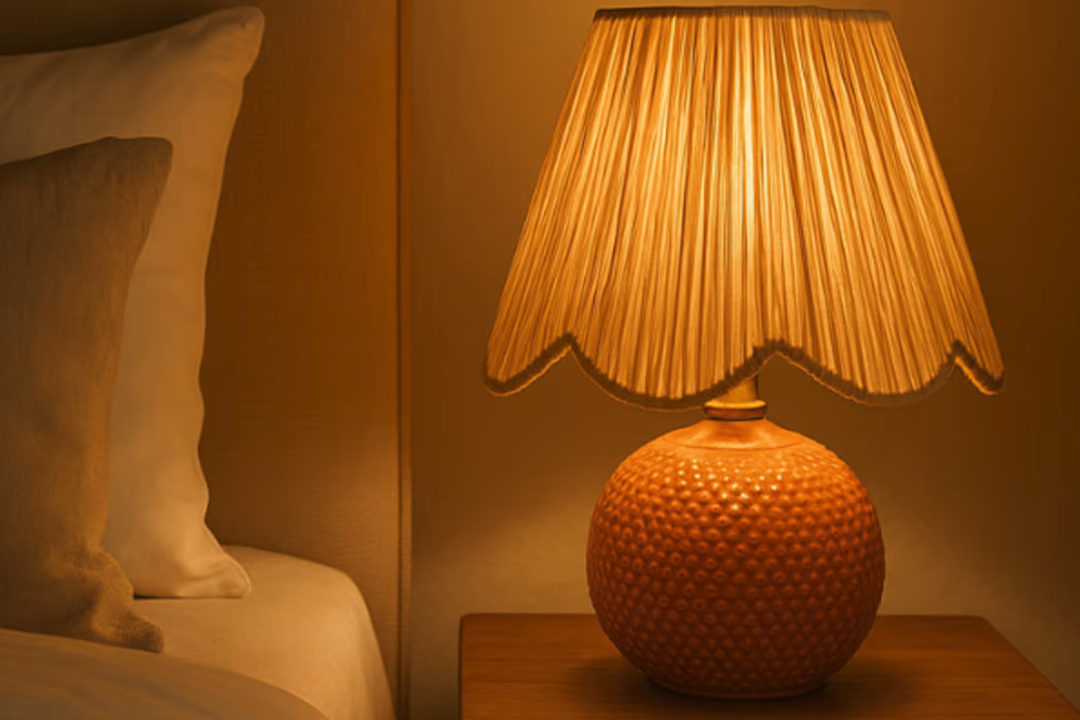

Thinking of adding a handmade ceramic table lamp to your bedroom? Good call. These lamps can bring a noticeable warmth and character to your space that mass-produced options just can’t quite replicate. They offer a unique blend of artistry and practical light, capable of transforming a stark corner into an inviting nook.
When we talk about handmade ceramics, we’re not just talking about something that’s not factory-made. There’s a story, a human touch, in every piece. This human element is what makes them so appealing for a personal space like a bedroom.
The Charm of Imperfection
Unlike their manufactured counterparts, handmade ceramic lamps Omloa often carry subtle variations. A slight curve that’s not perfectly uniform, a glaze that has a unique ripple, or a tiny, almost unnoticeable dimple from a potter’s finger – these aren’t flaws. They’re part of the lamp’s identity, giving it an undeniable character and soul. Mass-produced items, while consistent, often lack this particular kind of charm.
Long-Term Value and Sustainability
Investing in a handmade ceramic lamp often means investing in something built to last. Many ceramic artists prioritize durable materials and crafting techniques. This isn’t just about longevity; it’s also a nod to sustainability. Buying a lamp that will stand the test of time means less waste and a longer appreciation of the object, rather than frequent replacements of cheaply made items.
Supporting Individual Artists
Choosing a handmade lamp also means you’re supporting an individual artisan or a small studio. This can feel more meaningful than purchasing from a large corporation. You’re contributing directly to someone’s craft and livelihood, which is a nice bonus when you’re furnishing your home.
Choosing the Right Ceramic Lamp for Your Bedroom
Picking out the perfect lamp involves more than just liking the look of it. There are practical considerations that will ensure it truly works in your space.
Considering Size and Scale
This is crucial. A lamp that’s too big can overwhelm a small nightstand, making the space feel cluttered. Conversely, a tiny lamp on a large dresser can look lost.
Matching Lamp Base to Furniture
Think about the dimensions of your bedside table or dresser. A general rule of thumb is that the lamp’s total height (including the shade) should be roughly 1.5 to 2 times the height of the surface it sits on. The base itself shouldn’t take up more than two-thirds of the surface width.
Proportion with Bedside Height
Consider how high your bed base and mattress are. You want the bottom of the lampshade to be roughly at eye level when you’re sitting up in bed. This helps prevent glare and ensures the light is cast at an optimal angle for reading or general ambiance.
Glaze and Finish: Setting the Mood
The finish of a ceramic lamp can dramatically alter the light and feel of your bedroom. It’s not just about aesthetics; it’s about the kind of atmosphere you want to cultivate.
Matte vs. Glossy
A matte finish often feels more understated and earthy. It diffuses light gently and can contribute to a softer, more subdued ambiance. Glossy finishes, on the other hand, can add a touch of sophistication and reflect light more, potentially making a space feel brighter. Think about whether you prefer a subtle glow or a bit more sparkle.
Textured vs. Smooth
Some ceramic lamps feature intricate textures – carved details, ridged surfaces, or even embedded natural elements. These can add tactile interest and depth to your decor, catching the light in interesting ways. Smooth finishes offer a cleaner, more minimalist look, allowing the form and color of the lamp to speak for themselves.
Color Palette and Existing Decor
Consider the existing colors in your bedroom. Do you want the lamp to blend in or stand out? Neutral tones like creams, grays, and natural clay hues are versatile and timeless. If you want a pop of color, a vibrant glaze can serve as an accent piece, drawing the eye without being overwhelming if used thoughtfully.
Lamp Shade Selection: An Extension of the Lamp
The shade isn’t just an afterthought; it’s an integral part of the lamp’s overall design and functionality. It directs and filters the light, so choose wisely.
Material and Opacity
Fabric shades are common, with linen, cotton, and silk being popular choices. A more opaque shade will direct light primarily up and down, creating a focused beam suitable for reading. A translucent shade will diffuse light more broadly, providing a softer, all-encompassing glow. Paper shades can offer a minimalist, airy feel.
Shape and Style
The shape of the shade should complement the base. A drum shade (cylindrical) is a classic and versatile choice that works with many lamp styles. A tapered shade (wider at the bottom) can add a touch of traditional elegance. For more contemporary bases, angular or square shades can create a cohesive modern look. Avoid mismatching very ornate bases with plain shades, or vice versa, unless you’re intentionally aiming for an eclectic look.
Color of the Shade Liner
Often overlooked, the inside color of the lampshade matters. A white or light-colored lining will reflect more light, making the room brighter. A gold or darker lining will cast a warmer, more subdued glow. Think about the mood you want to create with the light.
Placement and Lighting Considerations
Once you have your lamp, where you put it and how you light it up makes all the difference. Practicality should guide these choices.
Ideal Locations in the Bedroom
Bedside tables are the obvious choice, but don’t limit yourself.
On a Nightstand
The classic spot. One lamp on each side of the bed provides symmetrical lighting and easy access for reading or late-night sips of water. Ensure there’s enough room for other essentials like a book, a phone, or an alarm clock.
On a Dresser or Chest of Drawers
A single lamp on a dresser can act as an accent light, illuminating a particular area or piece of art above it. It breaks up a long, flat surface and adds a vertical element.
On a Desk or Vanity
If you have a small desk or a vanity mirror in your bedroom, a smaller ceramic lamp can provide task lighting or a gentle glow for getting ready.
Bulb Types and Brightness
The bulb you choose will dictate the quality and intensity of light.
LED Bulbs
These are the most energy-efficient and long-lasting options. They come in various color temperatures, from cool white (around 4000K-5000K) to warm white (2700K-3000K). For a cozy bedroom, a warm white bulb is generally preferred as it mimics the glow of incandescent light and promotes relaxation.
Dimmable Options for Flexibility
Highly recommended for a bedroom. A dimmable bulb paired with a compatible dimmer switch (if the lamp allows for it) gives you ultimate control over the ambiance. You can have bright light for reading and dim, soft light for winding down.
Lumens (Brightness) and Wattage Equivalent
Don’t focus solely on wattage; lumens tell you how bright a bulb is. For a bedroom table lamp, something in the range of 400-800 lumens (equivalent to a 40W-60W incandescent bulb) is often sufficient. If you plan to read, aim for the higher end of that spectrum, or ensure your bulbs are dimmable.
Maintenance and Care for Ceramic Lamps
Ceramic lamps are generally quite durable, but a little care goes a long way in keeping them looking their best.
Cleaning the Ceramic Base
Dusting is the most frequent task. Use a soft, dry cloth or a feather duster. For more stubborn grime, a slightly damp cloth with a mild, non-abrasive soap can be used, but ensure you dry it thoroughly afterward to prevent water marks or absorption into unglazed areas. Avoid harsh chemical cleaners as they can damage glazes or finishes.
Cleaning the Lamp Shade
Fabric shades can collect dust and pet hair. Use a lint roller, a soft brush attachment on a vacuum cleaner, or a slightly damp cloth to gently wipe them down. For deeper cleaning, always check the manufacturer’s recommendations; some shades can be carefully sponge-cleaned, while others are spot-clean only. Avoid getting electrical components wet.
Checking Electrical Components Regularly
Periodically inspect the cord for any fraying or damage. Ensure the plug is securely seated in the outlet. If you notice any flickering or inconsistent lighting, it’s worth checking the bulb and, if necessary, having an electrician look at the lamp’s wiring, especially if it’s an older or vintage piece. Safety first.
Where to Find Your Perfect Ceramic Lamp
The hunt for a handmade ceramic lamp can be part of the fun. You have several avenues to explore.
Artisan Markets and Fairs
These are fantastic places to see ceramic work firsthand. You can talk directly to the artists, learn about their process, and often find unique pieces that aren’t available online. It’s a great way to support local talent.
Independent Boutiques and Galleries
Many small homeware stores or art galleries feature pieces from local or regional ceramicists. These shops often curate their selection, offering a more refined collection than what you might find online.
Online Marketplaces (Etsy, Artist Websites)
Etsy is a hub for independent artists, and you can find a vast array of styles and price points there. Many ceramicists also have their own websites, which offer a direct way to purchase their creations. Look for detailed product descriptions, clear photos from multiple angles, and customer reviews to get a good sense of the piece before buying. Make sure to check shipping policies, especially for fragile items.
Secondhand Shops and Vintage Stores
For those who enjoy a treasure hunt, antique stores, consignment shops, and even some thrift stores can hide genuine handmade ceramic gems. These might require a little TLC, but they often come with a unique history and a lower price tag. Always inspect electrical components carefully when buying vintage lamps.
Ultimately, a handmade ceramic table lamp isn’t just a lighting fixture; it’s a piece of functional art that brings warmth, personality, and a sense of craftsmanship into your bedroom. Taking the time to choose the right one, paying attention to its size, finish, and the quality of light it casts, will ensure it becomes a cherished element of your personal sanctuary for years to come.