
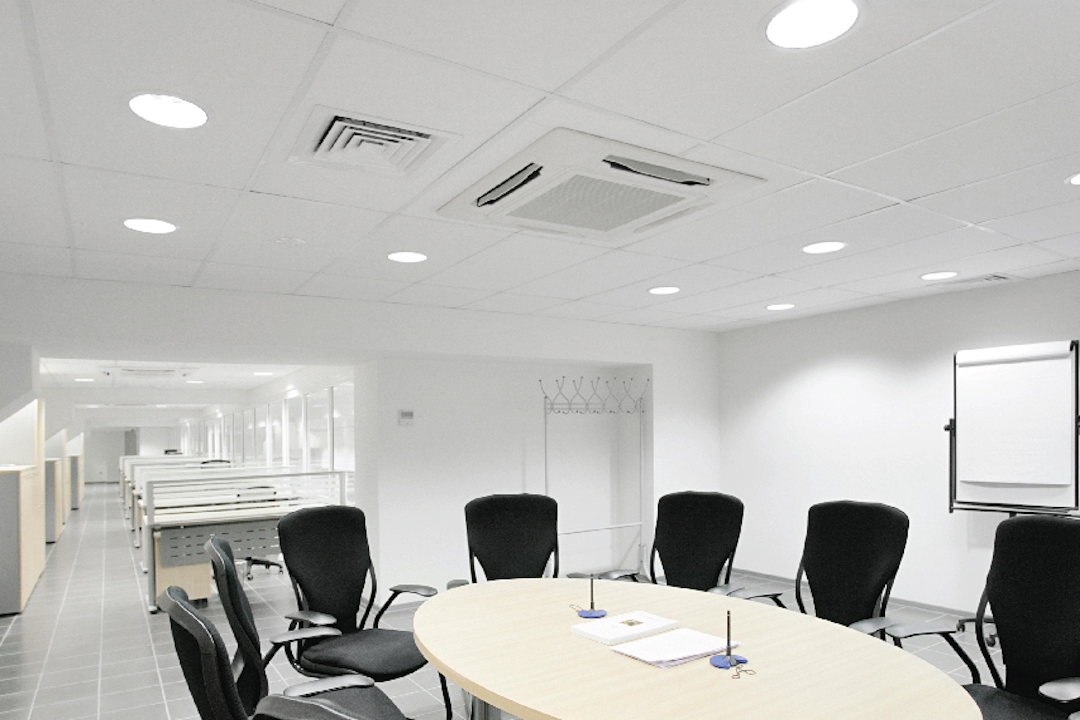

This article discusses the integration of LED ceiling panels into office environments to improve lighting conditions and the overall workspace.
LED ceiling Bilyhomes panels represent a modern approach to office illumination, offering a departure from traditional fluorescent lighting systems. These panels utilize Light Emitting Diodes (LEDs) as their light source, a technology known for its energy efficiency and longevity. Unlike older lighting technologies that often produce a flickering or uneven light, LEDs provide a consistent and high-quality output. The design of these panels, typically flat and integrated into suspended ceilings, allows for a clean and cohesive aesthetic, contributing to a more streamlined and uncluttered look within the office space. The transition to LED ceiling panels is often driven by a desire to create more functional and visually appealing work environments.
The Technology Behind LED Panels
Light Emanating Diodes (LEDs)
The core of an LED ceiling panel is the Light Emitting Diode (LED). These are semiconductor devices that emit light when an electric current passes through them. Unlike incandescent bulbs that generate light by heating a filament to extreme temperatures, LEDs produce light through a process called electroluminescence. This direct conversion of electrical energy to light makes them significantly more efficient in terms of energy consumption. Their compact size also allows for greater flexibility in fixture design, leading to the development of slim and unobtrusive panels. The lifespan of LEDs is another key advantage; they can operate for tens of thousands of hours, far exceeding that of fluorescent tubes, which translates into reduced maintenance costs and less frequent replacements.
Driver and Power Supply
Each LED panel requires a driver, which is an electronic circuit that regulates the voltage and current supplied to the LEDs. This regulation is crucial for optimizing performance and ensuring the longevity of the diodes. Without a proper driver, the LEDs could be exposed to inconsistent power, leading to premature failure or erratic light output. The driver essentially acts as the “brain” of the LED system, ensuring it receives precisely what it needs to function effectively. Modern drivers often incorporate features like dimming capabilities, allowing for further control over the lighting intensity.
Diffuser and Housing
The light emitted from the LEDs is typically harsh and directional. To create a soft, diffused, and uniform light that is comfortable for office environments, LED panels incorporate a diffuser. This is usually a translucent material, often made of polycarbonate or acrylic, placed over the LED array. The diffuser scatters the light, spreading it evenly across the panel and eliminating harsh shadows or hot spots. The housing of the LED panel provides structural support and protection for the internal components, as well as a means for mounting the panel within the ceiling grid. The materials and design of the housing also contribute to heat dissipation, a critical factor in prolonging LED life.
Types of LED Ceiling Panels
Standard Recessed Panels
These are the most common type of LED ceiling panel, designed to fit into standard suspended ceiling grids. They offer a direct replacement for older fluorescent troffers and are available in various sizes, such as 2×2 feet and 2×4 feet. Their installation is generally straightforward, requiring minimal disruption to existing ceiling infrastructure. Their widespread availability and familiarity make them a popular choice for many office renovations and new builds.
Slim and Edge-Lit Panels
Slim LED panels are characterized by their thin profile, making them suitable for applications where ceiling height is limited or a more minimalist aesthetic is desired. Edge-lit panels achieve their slimness by positioning the LEDs around the perimeter of the panel, with light then guided towards the center via a light-guiding plate. This design also contributes to a very uniform light distribution. These panels offer a modern and sleek appearance, blending seamlessly with contemporary office designs.
Dimmable and Smart Panels
The evolution of LED technology has brought about dimmable and smart panels. Dimmable panels allow users to adjust the light intensity, catering to different tasks or times of day. This feature can contribute to energy savings by reducing power consumption when full brightness is not required. Smart panels go a step further, often integrating with building management systems or offering wireless control via apps. These systems can allow for scheduling, motion sensing, and integration with other smart office technologies, creating dynamic and responsive lighting environments.
Benefits of Implementing LED Ceiling Panels
The adoption of LED ceiling panels in an office setting offers a multifaceted range of advantages. These benefits extend beyond mere illumination, impacting operational efficiency, employee well-being, and the overall aesthetics of the workspace. By replacing outdated lighting systems, businesses can unlock significant improvements in energy consumption, reduce maintenance burdens, and create a more conducive environment for productivity.
Energy Efficiency and Cost Savings
Reduced Power Consumption
LEDs are inherently more energy-efficient than incandescent and fluorescent bulbs. A typical LED panel can consume 50-75% less energy than a comparable fluorescent fixture. This substantial reduction in energy usage translates directly into lower electricity bills for the office. Over the lifespan of the panels, these savings can become highly significant, contributing to a positive return on investment. Think of it as replacing a gas-guzzling vehicle with a fuel-efficient electric car; the operational costs are dramatically reduced.
Lower Maintenance and Replacement Costs
The extended lifespan of LED bulbs means fewer replacements are needed. This not only saves on the cost of purchasing new bulbs but also on the labor involved in accessing and replacing them, especially in high or difficult-to-reach ceiling areas. Reduced frequency of maintenance also minimizes disruption to daily office operations. The “set it and forget it” aspect of LED panels with their prolonged operational life can free up internal resources and reduce reliance on external maintenance services.
Potential for Rebates and Incentives
Many governments and utility companies offer rebates and incentives for businesses that invest in energy-efficient lighting. Implementing LED ceiling panels can qualify an office for these programs, further offsetting the initial installation costs and improving the financial justification for the upgrade. These initiatives are designed to encourage the adoption of sustainable technologies, making the transition to LED lighting even more financially attractive.
Improved Lighting Quality and Productivity
Enhanced Light Distribution and Uniformity
LED panels, when properly designed and installed, provide a more uniform and diffused light than many traditional lighting systems. This reduces harsh shadows and glare, which can cause eye strain and fatigue. A consistent and even light makes it easier to read documents, work on computers, and navigate the office space. This lack of visual distraction contributes to a more comfortable and focused work experience. Imagine trying to read a book under a spotlight versus in a softly lit room; the latter is clearly more conducive to prolonged reading.
Better Color Rendering Index (CRI)
Many LED panels boast a high Color Rendering Index (CRI). The CRI is a measure of a light source’s ability to faithfully reproduce the colors of objects compared to a natural light source. A higher CRI (closer to 100) means colors appear more vibrant and true to life. In an office setting, this can improve the perception of materials, artwork, and even skin tones, contributing to a more visually accurate and pleasant environment. This can be particularly important in design studios, retail display areas, or any environment where accurate color representation is critical.
Reduced Flickering and Glare
Traditional fluorescent lights can sometimes produce a perceptible flicker, which can be a significant source of eye strain and headaches for some individuals. LED technology, when implemented correctly, largely eliminates this issue. Similarly, the diffuse nature of light from LED panels minimizes direct glare, further enhancing visual comfort and reducing distractions. Comfortable lighting is akin to having a well-tuned instrument; it operates smoothly and without extraneous noise, allowing for better focus on the task at hand.
Employee Well-being and Comfort
Reduced Eye Strain and Fatigue
As mentioned previously, improved light quality, with reduced flicker and glare, directly contributes to less eye strain and fatigue. This can lead to increased comfort for employees, especially those who spend long hours working on computers or performing detailed tasks. When employees are more comfortable, their focus and ability to concentrate are enhanced.
Contribution to Circadian Rhythms
Some advanced LED systems offer tunable white light, allowing the color temperature of the light to be adjusted throughout the day. This feature can mimic natural daylight patterns, which play a crucial role in regulating human circadian rhythms, the body’s natural sleep-wake cycle. By providing lighting that aligns with these rhythms, offices can potentially improve employee alertness during the day and promote better sleep patterns at night, leading to overall improved health and productivity. It’s like having a gentle nudge from nature, guiding the body’s internal clock.
Creation of a More Inviting Atmosphere
The clean, modern aesthetic of LED ceiling panels, combined with their superior lighting quality, can transform the overall feel of an office. A well-lit and visually comfortable space can contribute to a more positive and inviting atmosphere, which can, in turn, boost employee morale and create a better impression on clients and visitors. An office that feels welcoming and comfortable is one where people are more inclined to spend their working hours.
Considerations for Installation and Integration
Implementing LED ceiling panels into an office environment involves more than simply swapping out old fixtures for new ones. A thoughtful approach to planning, installation, and integration is essential to maximize the benefits and ensure a successful transition. Understanding the technical requirements and aesthetic implications is key to achieving the desired outcome.
Planning and Design Phase
Lighting Design and Layout
Before installation, a professional lighting design is recommended. This involves assessing the specific needs of each area within the office, considering factors like task requirements, natural light availability, and desired ambiance. A well-executed lighting plan ensures optimal placement and quantity of panels to achieve uniform illumination without over-lighting or creating dark spots. This is akin to an architect planning the flow and functionality of a building before construction begins.
Integration with Existing Ceilings
The majority of LED ceiling panels are designed to fit into suspended or drop-ceiling systems. The process involves removing existing fixtures and installing the new panels within the grid structure. For offices with solid ceilings, surface-mounted or pendant LED fixtures might be more appropriate, or modifications to the ceiling structure may be necessary. Compatibility with the existing infrastructure is a primary consideration.
Electrical Considerations
The installation of LED panels requires connecting them to the building’s electrical supply. This typically involves working with qualified electricians to ensure proper wiring, grounding, and circuit load balancing. Dimmable or smart panels may require specific wiring for control systems. Adhering to electrical codes and safety standards is paramount.
Installation Process
Dismantling Old Fixtures
The initial step involves the safe and systematic removal of existing lighting fixtures. This should be done by qualified personnel to avoid any electrical hazards or damage to the ceiling.
Installing Mounting Brackets and Panels
For recessed panels, mounting brackets are often integrated into the ceiling grid system, or they may be part of the panel itself. The panels are then carefully placed and secured within the grid.
Wiring and Connection
The LED panels are wired to the power source and any control systems. This is the most technical aspect of the installation and requires precision to ensure correct functionality and safety.
Testing and Commissioning
Once installed, the lighting system should be thoroughly tested to ensure all panels are functioning correctly, the light output is as expected, and any dimming or smart features are operating as designed.
Factors Beyond Lighting
Aesthetics and Office Design
The visual integration of LED ceiling panels into the overall office design is important. The sleek, modern look of panels can complement contemporary interior designs. Consideration can be given to the color temperature of the light (warm white, cool white) to match the desired atmosphere of different office zones. A well-designed lighting scheme accentuates the architectural features and overall brand identity of the workspace.
Acoustics
In some cases, the acoustic properties of the LED panel itself or its integration into the ceiling system might be a consideration. Certain panels may include integrated acoustic baffling or be designed to work in conjunction with acoustic ceiling tiles. The goal is to avoid creating an environment where conversations or office noise are amplified.
Maintenance and Accessibility
While LEDs have long lifespans, access for future maintenance or potential replacement of drivers is still a consideration. Ensuring that panels are installed in a way that allows for eventual access, even if infrequent, is good practice for long-term building management.
Future Trends and Innovations in LED Office Lighting
The field of LED lighting is continually evolving, with ongoing research and development pushing the boundaries of what is possible. For office environments, these advancements promise even more sophisticated, efficient, and user-centric lighting solutions that can further enhance the workspace.
Dynamic and Adaptive Lighting Systems
Human-Centric Lighting (HCL)
Human-Centric Lighting (HCL) is a growing trend that focuses on designing lighting systems to support human health, well-being, and performance. This involves dynamically adjusting the intensity and color temperature of light throughout the day to mimic natural daylight. HCL systems aim to improve alertness, mood, and sleep patterns by aligning artificial lighting with the body’s natural circadian rhythms. For offices, this means creating environments that actively contribute to employee health and productivity by optimizing light exposure.
Automated Light Adjustments
Future LED systems will likely feature more advanced automation, responding to various environmental factors and user presence. This could include integrated sensors that detect occupancy, daylight levels, and even the activity in a particular zone. The lighting could then automatically adjust its output to provide optimal illumination and conserve energy, creating a truly responsive and intelligent lighting environment. Think of it as a lighting system that anticipates your needs before you even realize them.
Integration with IoT and Smart Building Technology
The Internet of Things (IoT) is enabling greater connectivity and data exchange between devices. LED lighting systems are increasingly integrating into this ecosystem. This allows for centralized control, remote monitoring, and data analytics on energy consumption and system performance. Smart buildings can leverage LED lighting as a crucial component for energy management and occupant comfort, creating a more interconnected and efficient operational infrastructure.
Advanced LED Technologies
Improved Luminaire Efficiency and Optics
Ongoing advancements are leading to LED chips with higher luminous efficacy (lumens per watt), meaning they produce more light for the same amount of energy. Furthermore, improvements in optical design are enabling more precise light control and distribution, reducing light loss and ensuring that light is directed exactly where it is needed.
New Form Factors and Materials
Researchers are exploring novel materials for diffusers and housings that can enhance light diffusion, thermal management, and even offer antimicrobial properties. New form factors for LED panels are also emerging, offering greater design flexibility and integration possibilities beyond the standard rectangular panel.
Integrated Sensors and Controls
Future LED panels may come with more sophisticated integrated sensors, such as those for air quality monitoring or even subtle physiological responses from occupants. This would allow for a more holistic approach to managing the office environment, with lighting playing a central role in a broader network of building intelligence.
Sustainability and Lifecycle Management
Extended Lifespans and Reduced Waste
The inherent longevity of LEDs, coupled with ongoing research into even more durable materials, contributes to a more sustainable lighting solution. Reduced replacement cycles mean less manufactured waste and a lower overall environmental impact throughout the product lifecycle.
Circular Economy Principles
There is an increasing focus on designing LED products with end-of-life considerations in mind. This includes using recyclable materials and developing systems for easier disassembly and component recovery, aligning with the principles of a circular economy. Companies are moving towards solutions that are not just efficient during operation but also responsible at the end of their useful life.
Choosing the Right LED Ceiling Panels for Your Office
The selection of LED ceiling panels for an office should be a strategic decision, guided by specific needs and objectives rather than simply opting for the cheapest or most readily available option. A careful evaluation of various factors will ensure that the chosen panels provide optimal performance, comfort, and long-term value.
Assessing Your Office Needs
Purpose of the Space
Consider the primary function of each office area. A reception area might require a softer, more inviting light, while a task-oriented workspace like a design studio or data analysis hub will necessitate high-quality, glare-free illumination. Conference rooms may benefit from dimmable options to cater to presentations.
Existing Infrastructure
Evaluate your current ceiling type (e.g., suspended grid, solid ceiling), power capacity, and existing electrical wiring. This will determine the compatibility of different panel types and installation methods. Retrofitting into an existing grid is typically less disruptive and cost-effective than major structural modifications.
Budgetary Constraints
Establish a clear budget for the project, taking into account not only the cost of the panels but also installation labor, any necessary electrical work, and potential control systems. While initial costs can vary, consider the long-term energy savings and reduced maintenance as part of the overall financial picture. A higher upfront investment in quality panels can lead to greater savings over time.
Key Performance Indicators to Consider
Lumen Output (Brightness)
Lumens are the unit of measurement for light output or brightness. The required lumen output per square foot will depend on the room’s purpose and ambient light conditions. Using a lighting design calculator or consulting with a lighting professional can help determine the appropriate lumen levels.
Color Temperature (Kelvin)
Color temperature, measured in Kelvin (K), describes the hue of the light. Warm white (around 2700K-3000K) produces a yellowish, cozy light, suitable for more relaxed areas. Cool white (around 4000K-5000K) is brighter and more neutral, good for task-oriented work. Daylight (over 5000K) is bluer, mimicking natural daylight and can enhance alertness.
Color Rendering Index (CRI)
As previously discussed, a higher CRI (80+) ensures that colors appear natural and vibrant. For most office applications, a CRI of 80 or above is recommended for accurate color perception. In environments where color accuracy is paramount, such as graphic design or art studios, a CRI of 90+ might be necessary.
UGR (Unified Glare Rating)
The Unified Glare Rating (UGR) is a measure of discomfort glare produced by a lighting installation. A lower UGR value indicates less glare and a more comfortable visual environment. For office spaces, a UGR of less than 19 is generally considered ideal for standard working conditions.
Features and Functionality
Dimmability
Decide whether dimming capabilities are necessary for your office. Dimmable panels offer flexibility in adjusting light levels, which can enhance comfort, cater to different activities, and contribute to energy savings. Ensure compatibility with appropriate dimmers and control systems.
Smart Controls and Connectivity
Consider if smart features, such as wireless control, scheduling, or integration with other building systems, are desirable. These can offer advanced energy management and a more responsive lighting environment, though they may involve a higher initial cost and require more complex integration.
Emergency Lighting Integration
For areas requiring emergency lighting, ensure the chosen LED panels can accommodate or integrate with emergency lighting systems that meet local building codes and safety regulations. This is a critical safety consideration.
Warranty and Manufacturer Reputation
Investigate the warranty offered by the manufacturer, as well as their reputation for quality and customer support. A longer warranty period can indicate confidence in the product’s durability and performance, providing peace of mind and safeguarding your investment.
By meticulously considering these aspects, offices can make informed decisions about LED ceiling panels, creating illuminated spaces that are not only functional and cost-effective but also supportive of employee well-being and productivity.