
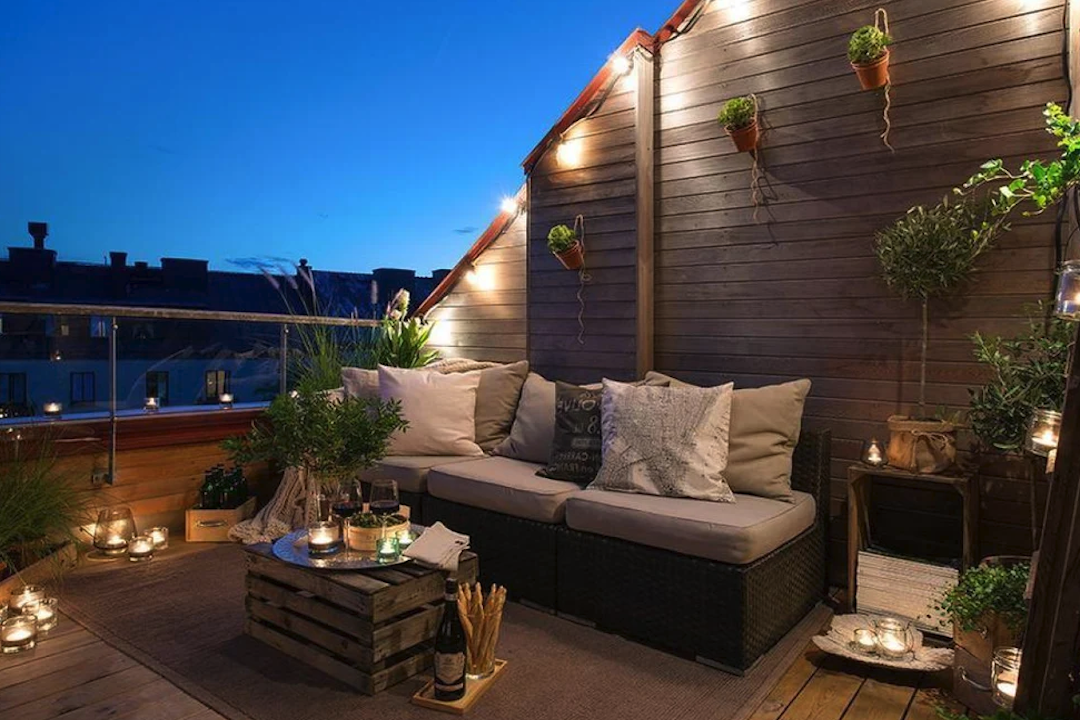

Outdoor lighting fixtures can transform a balcony into a functional and inviting space, particularly during evening hours. This guide explores various aspects of selecting, installing, and maintaining these fixtures, focusing on their practical application and aesthetic potential.
The primary function of balcony lighting is to extend the usability of this outdoor area into the night. Beyond mere illumination, lighting can establish ambiance, enhance safety, and highlight architectural or decorative features. The way light is used can alter the perception of space and mood. Think of light Dylonon as a painter’s brush, capable of adding depth and character to a blank canvas.
Defining Functional vs. Ambient Lighting
It is important to distinguish between lighting that serves a practical purpose and lighting that creates a mood.
Functional Lighting
This category includes lights that provide sufficient illumination for specific tasks. Examples include reading, dining, or navigating the balcony safely. The intensity and direction of these lights are key considerations.
Ambient Lighting
Ambient lighting’s purpose is to create a general atmosphere. It is often softer, diffused, and strategically placed to avoid glare. This type of lighting contributes to the overall feel of the balcony, making it more relaxing or intimate.
Safety Considerations
Adequate lighting is crucial for preventing trips and falls, especially on steps or uneven surfaces. It also enhances security by deterring potential intruders.
Preventing Trips and Falls
Well-placed pathway lights or low-level lighting can illuminate walking paths and potential hazards. This is particularly important if the balcony has multiple levels or is accessed via stairs.
Deterring Intruders
Visible and strategically placed lights can act as a deterrent. Motion-activated lights can further enhance security by drawing attention to unexpected activity.
Types of Outdoor Lighting Fixtures for Balconies
A wide array of lighting fixtures are available, each suited for different aesthetic preferences and functional requirements. The choice of fixture can significantly impact the overall appearance and usability of the balcony.
String Lights (Fairy Lights, Bistro Lights)
These lights are often the most popular choice for balconies due to their versatility and charming aesthetic.
Incandescent vs. LED String Lights
While incandescent bulbs offer a warm glow, LEDs are more energy-efficient, last longer, and are generally more durable, making them a practical choice for outdoor use.
Placement and Configuration
String lights can be draped along railings, stretched across the ceiling, or hung from posts. The pattern of placement can dictate the visual impact. A dense arrangement can create a cozy, enclosed feel, while a sparser arrangement offers a more open and airy ambiance.
Wall Sconces
Wall-mounted fixtures offer a more permanent and often sophisticated lighting solution.
Traditional vs. Modern Designs
Wall sconces come in a vast range of styles, from classic lantern-inspired designs to minimalist contemporary options, allowing for integration with various balcony decor themes.
Downward vs. Upward Illumination
The direction of light emitted by a sconce can influence the perceived height and atmosphere of the space. Downward-facing lights can illuminate a specific area, such as a seating arrangement, while upward-facing lights can highlight the architecture of the building or create a more dramatic effect.
Lanterns and Pedestal Lights
These freestanding fixtures offer flexibility and can add a decorative element even when not illuminated.
Solar-Powered Options
Many lanterns and pedestal lights are solar-powered, eliminating the need for wiring and making them easy to install and relocate.
Battery-Operated Variants
Battery-operated versions offer similar convenience to solar options, with the advantage of not being dependent on sunlight for charging.
Garden Stakes and Spotlights
These fixtures are typically used to highlight specific plants, decorative objects, or architectural features.
Focusing Light on Features
Spotlights can be angled to draw attention to a particular plant, sculpture, or the texture of a wall, turning these elements into focal points of the evening.
Illuminating Pathways
Low-profile garden stakes can be placed along the edge of a balcony to clearly define pathways and prevent accidental steps off the edge.
Smart Lighting Systems
The advent of smart technology has introduced lighting solutions that offer enhanced control and customization.
App-Controlled Brightness and Color
Smart bulbs and fixtures allow for adjustment of brightness, color temperature, and even color, all controllable via a smartphone app.
Scheduling and Automation
These systems can be programmed to turn on and off at specific times, or to respond to external stimuli like sunset, providing convenience and energy savings.
Design Principles for Balcony Lighting
Effective balcony lighting is not just about placing fixtures; it involves a thoughtful approach to design.
Layering Light
Just as in interior design, layering different types of light creates depth and visual interest.
Combining General, Task, and Accent Lighting
A well-designed balcony lighting scheme will incorporate general ambient light, task lighting where needed (e.g., for reading), and accent lighting to highlight features. This creates a balanced and functional space.
Avoiding a Single Overly Bright Source
Relying on a single, harsh light source can create an uninviting and stark environment. Layering diffuses light and creates a more pleasant atmosphere.
Controlling Glare
Uncontrolled glare can be uncomfortable and detract from the intended ambiance.
Using Diffusers and Shields
Fixtures with built-in diffusers or adjustable shields can soften light and direct it where it is most needed, minimizing glare.
Strategic Placement
Positioning lights so they are not directly in the line of sight can also prevent glare. For example, placing string lights above head height can illuminate the area below without directly shining into eyes.
Considering Color Temperature
The color of light emitted by a bulb (measured in Kelvin) significantly impacts the mood.
Warm White for Ambiance
A warm white light (around 2700K to 3000K) is typically preferred for creating a cozy and relaxing atmosphere, akin to candlelight.
Cool White for Task Lighting
Cooler white light (around 4000K to 5000K) can be more effective for tasks requiring focus and clarity.
Scale and Proportion
The size and number of fixtures should be in proportion to the size of the balcony.
Avoiding Overcrowding
Too many small fixtures can appear cluttered, while a single large fixture on a small balcony can overwhelm the space.
Matching Fixture Size to Balcony Dimensions
Consider the visual weight of the fixtures and how they will fit within the overall dimensions of the balcony.
Installation and Maintenance of Outdoor Lighting
Proper installation and regular maintenance are essential for the longevity and safe operation of balcony lighting.
Electrical Considerations
The electrical requirements for outdoor lighting vary depending on the type of fixture.
Professional Installation for Hardwired Fixtures
For fixtures that require hardwiring, it is often advisable to consult a qualified electrician to ensure the installation is safe and compliant with local codes.
Extension Cords and Weatherproofing
If using extension cords, ensure they are rated for outdoor use and are properly protected from moisture and physical damage.
Understanding Voltage and Wattage
Check the voltage and wattage requirements for your fixtures to ensure they are compatible with your power source.
Weatherproofing and Durability
Outdoor lighting fixtures are exposed to the elements and must be designed for such conditions.
Material Choices
Look for fixtures made from rust-resistant materials like aluminum, stainless steel, or treated wood.
IP Ratings
The Ingress Protection (IP) rating indicates a fixture’s resistance to water and dust. Higher IP ratings (e.g., IP44 and above) are generally recommended for outdoor use.
Regular Cleaning and Inspection
Periodic cleaning and inspection will help maintain the appearance and functionality of your lighting.
Cleaning Fixtures
Dust and debris can accumulate on fixtures, reducing their light output. Gentle cleaning with a damp cloth and mild soap is usually sufficient.
Checking for Damage
Regularly inspect cords, bulbs, and fixture housings for any signs of damage, wear, or corrosion. Replace any damaged components promptly.
Creative Applications and Ambiance Building
Beyond basic illumination, lighting can be used creatively to enhance the aesthetic appeal and functionality of a balcony.
Highlighting Architectural Features
Lighting can draw attention to the unique design elements of your balcony.
Uplighting Walls and Pillars
Uplighting can accentuate the texture of a brick wall, the smoothness of a concrete pillar, or the lines of ornamental railings.
Accentuating Railings and Balustrades
Small, discreet lights can be incorporated into or along railings to define their shape and add a subtle glow.
Creating Zones and Defining Spaces
Lighting can effectively divide a balcony into distinct functional areas.
Separating Dining and Seating Areas
A cluster of pendant lights above a dining table can visually separate it from a more relaxed seating area illuminated by string lights.
Illuminating Vertical Gardens
Spotlights directed at vertical gardens can make them a vibrant focal point in the evening.
Incorporating Decorative and Thematic Lighting
Personal touches can elevate the ambiance.
Themed Lighting for Special Occasions
Seasonal or holiday-themed lighting can add a festive touch.
Artistic Light Installations
Consider unique light sculptures or customized illuminated elements to express personal style.
Shadow Play
The intentional use of shadows can add depth and intrigue.
Creating Patterns and Silhouettes
Placing lights strategically can cast interesting shadows on walls or the floor, adding a dynamic element to the space.
Energy Efficiency and Sustainability
Choosing energy-efficient lighting solutions is beneficial for both the environment and long-term costs.
LED Technology
As mentioned previously, Light Emitting Diodes (LEDs) are significantly more energy-efficient than traditional incandescent bulbs.
Reduced Power Consumption
LEDs consume a fraction of the electricity of older bulb technologies, leading to lower energy bills.
Extended Lifespan
The extended lifespan of LEDs also reduces the frequency of replacements, minimizing waste.
Solar-Powered Lighting
Solar lights harness renewable energy from the sun.
Environmental Benefits
Using solar power reduces reliance on grid electricity, a significant environmental advantage.
Cost Savings
While the initial cost of solar fixtures may be higher, they eliminate electricity costs for their operation.
Smart Lighting Controls and Timers
Smart systems and timers can optimize energy usage.
Preventing Unnecessary Operation
Automated timers ensure lights are only on when needed, preventing energy wastage.
Dimming Capabilities
The ability to dim lights not only saves energy but also allows for fine-tuning the ambiance, further controlling power consumption.
Water-Resistant and Durable Fixtures
Choosing high-quality, durable fixtures with good weatherproofing reduces the need for frequent replacements, contributing to sustainability.
By carefully considering the purpose, types, design principles, installation, maintenance, and energy efficiency of outdoor lighting fixtures, you can effectively enhance your balcony evenings. The right lighting can transform this outdoor extension of your living space into a comfortable, inviting, and visually appealing area for enjoyment after dark.