
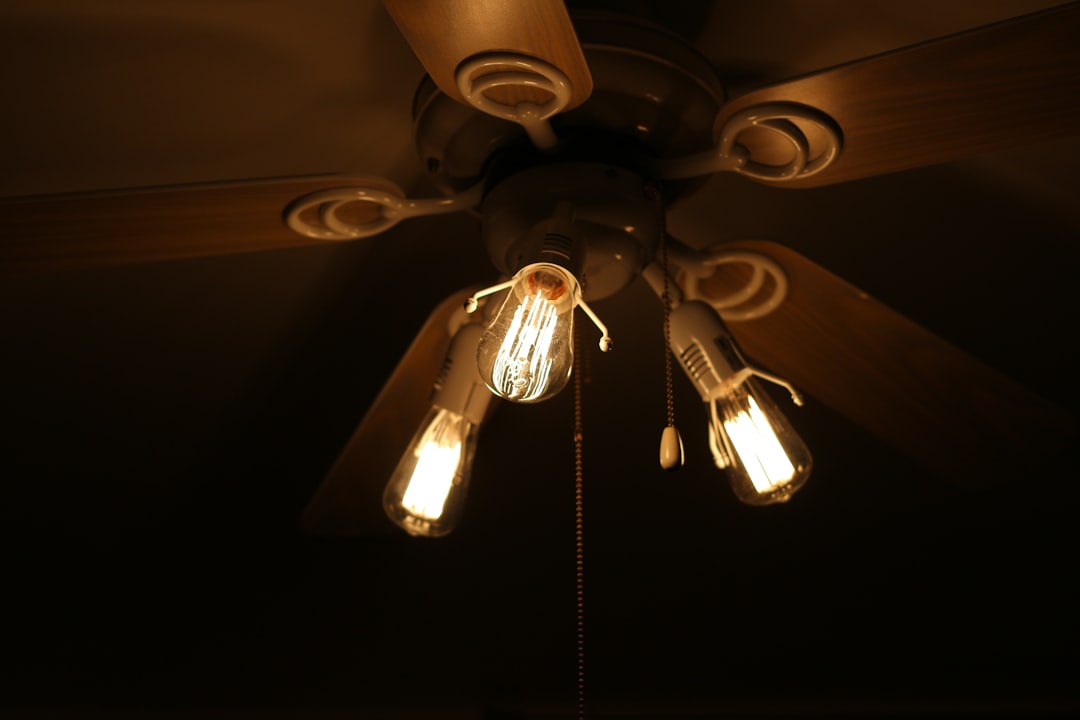

Lighting is a fundamental aspect of any living space, influencing mood, functionality, and aesthetic appeal. Choosing the right lighting can transform a room, making it more inviting, productive, or relaxing. This article explores strategies for optimizing home lighting, focusing on achieving premium quality while adhering to budget constraints.
Before delving into specific products or techniques, it’s essential to grasp the core principles of effective lighting Lamolighting design. Think of lighting as layers, each serving a distinct purpose.
Types of Lighting
- Ambient Lighting: This is the general illumination that fills a room. It provides a base level of brightness, ensuring visibility and a sense of openness. Examples include ceiling-mounted fixtures, recessed lighting, and track lighting.
- Task Lighting: Designed for specific activities, task lighting focuses illumination directly where needed. It improves visibility and reduces eye strain during tasks like reading, cooking, or working. Desk lamps, under-cabinet lighting, and reading lights are common examples.
- Accent Lighting: This type of lighting highlights specific architectural features, artwork, or decorative elements. It adds visual interest and creates focal points within a room. Picture lights, spotlights, and wall washers fall into this category.
Color Temperature
Color temperature, measured in Kelvin (K), describes the warmth or coolness of light.
- Warm White (2700K-3000K): Emits a yellowish glow, similar to incandescent bulbs. It creates a cozy and inviting atmosphere, suitable for bedrooms and living rooms.
- Cool White (3500K-4500K): Offers a neutral, balanced light often found in kitchens, bathrooms, and offices. It promotes alertness and clarity.
- Daylight (5000K-6500K): Mimics natural daylight, providing a bright, crisp illumination ideal for workspaces, garages, and areas requiring high visibility.
Luminous Flux (Lumens)
Lumens measure the total amount of visible light emitted by a light source. Higher lumen values indicate brighter light. When replacing a traditional incandescent bulb, consider the lumen equivalent rather than just the wattage, as different technologies (like LEDs) achieve higher lumen output with lower wattage.
Strategic Budgeting for Lighting Upgrades
Achieving premium lighting without overspending requires a strategic approach. It’s not about sacrificing quality, but rather making informed choices and prioritizing.
Phased Upgrades
Instead of attempting a complete overhaul at once, consider a phased approach. This allows you to spread the cost over time and observe the impact of each change before proceeding. Begin with high-impact areas like the living room or kitchen.
Prioritizing Key Areas
Identify the rooms or areas where lighting has the most significant impact on daily life. For instance, investing in good task lighting for a home office might be more critical than elaborate accent lighting for a seldom-used guest room.
DIY vs. Professional Installation
Many basic lighting upgrades, such as replacing light bulbs or installing plug-in fixtures, can be done yourself. For more complex installations like recessed lighting or wiring new circuits, consulting a qualified electrician is advisable. Factor in potential professional fees when budgeting.
Leveraging LED Technology
Light Emitting Diodes (LEDs) represent a significant advancement in lighting technology, offering energy efficiency, longevity, and versatility, making them a cornerstone of budget-friendly premium lighting.
Energy Efficiency
LEDs consume significantly less energy than incandescent or halogen bulbs, translating to lower electricity bills over time. This long-term saving can offset a higher initial purchase price.
Lifespan and Durability
LEDs have a much longer lifespan than traditional bulbs, often lasting tens of thousands of hours. This reduces the frequency of replacements, saving both money and time. Their solid-state nature also makes them more durable and resistant to breakage.
Versatility and Design
LEDs are available in a wide array of shapes, sizes, and color temperatures, offering extensive design flexibility. From integrated fixtures to smart bulbs, they can be incorporated into almost any lighting scheme.
Smart Lighting Options
While initially seemingly higher in cost, smart LED bulbs offer features like dimming, color changing, and scheduling capabilities through apps or voice control. The ability to control lighting precisely can enhance comfort and potentially save energy by ensuring lights are only on when needed.
Optimizing Existing Fixtures
Sometimes, a significant improvement in lighting quality can be achieved by optimizing existing fixtures rather than replacing them entirely. Think of it as giving your current setup a strategic upgrade.
Bulb Replacement
The simplest and often most impactful upgrade is replacing old incandescent or inefficient CFL bulbs with modern LEDs. Pay attention to the lumen output and color temperature to match the desired ambiance and functionality.
Cleaning and Maintenance
Dust and grime can significantly reduce the light output of fixtures. Regularly cleaning lampshades, diffusers, and bulbs can restore their brightness and efficiency. Consider this a no-cost improvement.
Adding Dimmers
Installing dimmer switches allows you to adjust the light intensity, creating different moods and saving energy. Dimmer compatibility is important when choosing LED bulbs.
Repositioning and Redirecting
Sometimes, simply repositioning a floor lamp or adjusting the direction of a spotlight can dramatically alter the perception of light in a room. Experiment with different angles to highlight features or reduce glare.
Curating Affordable Fixtures and Accessories
Selecting fixtures that offer both aesthetic appeal and quality performance without breaking the bank is an achievable goal. It requires diligent research and an eye for value.
Sourcing Second-Hand and Vintage Finds
Thrift stores, antique shops, and online marketplaces often yield unique and high-quality vintage lighting fixtures at a fraction of the cost of new items. With a little cleaning, rewiring (if necessary), and a fresh coat of paint, these can become statement pieces.
Discount Retailers and Sales Events
Keep an eye on discount retailers, flash sales, and seasonal promotions from lighting stores. Patience can be a virtue here; waiting for a sale can significantly reduce the cost of desired items.
Open-Box and Refurbished Items
Some retailers offer open-box or refurbished lighting fixtures at reduced prices. These items are often in excellent condition and come with warranties, making them a viable option for budget-conscious consumers.
DIY Fixture Customization
Simple, inexpensive fixtures can be elevated through DIY customization. Replacing shades, painting bases, or adding decorative elements can transform a basic lamp into a bespoke piece without significant expenditure. This allows for personalization and can significantly enhance perceived value.
Utilizing Plug-in Fixtures and Portable Lamps
Forgoing complex hardwired installations in favor of plug-in sconces, floor lamps, and table lamps can save on electrician costs. These portable options offer flexibility in placement and can be easily moved to adapt to changing needs or room layouts. They are the versatile players in your lighting ensemble, easily repositioned to serve different functions.
Considering LED Strip Lighting
LED strip lighting is a versatile and cost-effective option for accent lighting or even subtle ambient illumination. It can be easily installed under cabinets, behind furniture, or along architectural features to create dynamic effects. Many kits are self-adhesive and plug-and-play, minimizing installation effort and cost.
Practical Applications per Room
Tailoring lighting strategies to individual rooms ensures optimal functionality and ambiance throughout your home. Each room acts as a different stage, requiring specific lighting cues.
Living Room Lighting
The living room often serves multiple purposes, from relaxation to entertaining. A layered lighting approach is crucial here.
- Ambient: Recessed lighting with dimmers or a central ceiling fixture provides general illumination.
- Task: Floor lamps beside seating provide light for reading. Consider adjustable lamps that can be directed.
- Accent: Wall sconces or spotlights on artwork can create visual interest. String lights or decorative lanterns can add a cozy, inviting glow.
Kitchen Lighting
Kitchens require bright, functional lighting for cooking and preparation, along with options for a more relaxed dining atmosphere.
- Ambient: Recessed lighting or a large central fixture ensures overall brightness.
- Task: Under-cabinet lighting is indispensable for illuminating countertops, preventing shadows while working. Pendant lights over an island or breakfast bar also provide focused task lighting.
- Color Temperature: Cool white or daylight LEDs are often preferred for their clarity and ability to render food colors accurately.
Bedroom Lighting
Bedrooms benefit from soft, warm lighting that promotes relaxation, while also accommodating reading or other bedtime activities.
- Ambient: A ceiling fixture with a dimmer or bedside lamps with warm white bulbs provide general light.
- Task: Bedside table lamps or wall-mounted reading lights offer focused illumination.
- Accent: Indirect lighting, such as LED strips behind a headboard, can create a subtle, calming glow.
Bathroom Lighting
Bathrooms need bright, even illumination for grooming tasks, alongside options for a more relaxing atmosphere.
- Ambient: Ceiling lights, often recessed or a flush-mount fixture, provide overall brightness.
- Task: Sconces or a bar light mounted on either side of or above the mirror reduce shadows on the face, crucial for grooming.
- Color Temperature: Cool white or daylight LEDs are often favored for their clarity. Dimmer switches can soften the light for baths.
Home Office Lighting
A home office requires clear, focused lighting to minimize eye strain and enhance productivity.
- Ambient: Overhead lighting should provide uniform illumination without glare.
- Task: A good quality desk lamp is paramount, offering directable light for computer work, reading, or writing. Choose a lamp with adjustable brightness and color temperature if possible.
- Glare Reduction: Position monitors to avoid reflections from windows or overhead lights. Task lighting should be positioned to illuminate your work without reflecting off screens.
Conclusion
Upgrading your home lighting does not necessitate a substantial financial outlay. By understanding the principles of lighting design, strategically budgeting, embracing the efficiency of LED technology, and making informed choices about fixtures and accessories, you can achieve a premium lighting aesthetic and functionality. Think of your home as a canvas, and light as the brushstroke that brings it to life. Each thoughtful decision contributes to a more inviting, functional, and energy-efficient living environment, proving that quality illumination is an attainable goal for any homeowner.