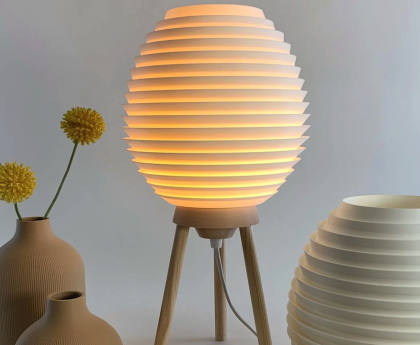

Bedside lighting is a crucial element in bedroom design, serving both functional and aesthetic purposes. The selection of a bedside lamp impacts the user’s ability to read, navigate the room at night, and establish a desired ambiance. Historically, bedside lighting has evolved from simple candles and oil lamps to electric fixtures offering a wide range of features. Modern considerations often include energy efficiency, light quality, and integration with smart home systems.
The Evolution of Table Lamps
Table lamps, as a category of luminaires, have a rich history. Early examples were primarily utilitarian, designed to provide concentrated light for specific tasks. Over centuries, advancements in light sources, materials, and manufacturing techniques have transformed them into decorative and highly functional objects. The introduction of electricity marked a significant turning point, allowing for greater design flexibility and the development of features like dimming capabilities.
Early Designs and Materials
Initial table lamps often utilized materials readily available, such as brass, iron, and wood. Lamp shades, when present, were typically simple fabric or metal cones. Their primary function was illumination, with aesthetics being a secondary concern.
The Influence of Industrialization
The Industrial Revolution brought about mass production, making table lamps more accessible. Designs began to incorporate new materials like glass and ceramics, and stylistic movements such as Art Nouveau and Art Deco significantly influenced lamp aesthetics, transforming them into artistic statements.
Post-War Innovation
Following World War II, a boom in consumer goods led to further diversification in lamp design. Plastics became increasingly common, offering new possibilities for form and color. The focus shifted towards functional and aesthetically pleasing designs for the modern home.
Contemporary Table Lamp Features
Today’s table lamps integrate advanced technologies. Features like touch controls, USB charging ports, and smart home compatibility are common. The emphasis remains on balancing utility with design, addressing contemporary user needs for comfort and convenience.
Understanding the Dimmable Feature
Dimmable lighting offers significant advantages over traditional on/off illumination. This technology allows users to adjust the light output, thereby controlling the brightness and mood of a space. Dimmable circuits work by regulating the power supplied to the light source, typically through methods such as phase-cutting or pulse-width modulation.
Benefits of Dimmability
The primary benefit of dimmability is its adaptability. A bright light is suitable for reading or tasks requiring focus, while a lower light level can create a relaxed atmosphere, conducive to winding down before sleep. This flexibility reduces eye strain and can contribute to better sleep hygiene by avoiding harsh light exposure in the evening.
Types of Dimmer Switches
There are several types of dimmer switches, each with distinct operational principles.
Rotary Dimmers
These are common and operate by rotating a knob to adjust light intensity. They are generally straightforward in design and widely available.
Toggle Dimmers
Toggle dimmers combine a traditional on/off switch with a small slider or button for dimming functionality. This offers familiar control with added adjustability.
Touch Dimmers
Touch-sensitive dimmers allow light adjustment through direct contact with the lamp base or a designated touch pad. This provides a clean aesthetic and intuitive operation.
Smart Dimmers
Integrated into smart home systems, these dimmers can be controlled via smartphone apps, voice commands, or automated schedules. They offer advanced personalization and energy management capabilities.
The Allure of Marble as a Material
Marble, a metamorphic rock, has been valued for centuries for its distinctive appearance and durability. Composed primarily of recrystallized carbonate minerals, it exhibits a wide range of colors and intricate veining patterns, making each piece unique. Its use in architecture and art spans millennia, signifying luxury, permanence, and refined taste.
Geological Formation and Characteristics
Marble forms from the metamorphism of sedimentary carbonate rocks, most commonly limestone or dolostone. Intense heat and pressure cause the calcite or dolomite crystals to recrystallize, resulting in the characteristic interlocking texture. The presence of various mineral impurities, such as clay minerals, iron oxides, or bituminous material, dictates the color and veining of the marble.
Aesthetic Properties
The aesthetic appeal of marble lies in its natural variations. No two slabs are identical, ensuring individuality. Its polished surface reflects light, adding a sense of brightness and depth to any setting. The subtle or dramatic veining acts as a natural artwork, enhancing the lamp’s presence.
Durability and Maintenance
Marble is a relatively durable material, resistant to scratching and impact. However, it is porous and susceptible to etching from acidic substances. Regular cleaning with a neutral cleaner and periodic sealing can help maintain its appearance and prolong its lifespan. It should be treated with care, as it can chip if struck forcefully.
Cultural Significance
Throughout history, marble has been associated with grandeur and artistic expression. From ancient Greek and Roman sculptures to Renaissance cathedrals, its use has consistently denoted importance and longevity. Its inclusion in contemporary design often draws upon this rich cultural heritage.
Integrating the Lamp into Your Bedside Environment
A table lamp with a dimmable marble base is more than just a light source; it is a contributing factor to the overall ambiance and functionality of your bedside area. When selecting and positioning such an item, consider its interaction with existing furnishings and your personal routines.
Placement Considerations
Strategic placement is paramount. The lamp should be easily accessible from your bed, allowing for convenient adjustment of light levels. Position it to illuminate your reading material without casting shadows or causing glare. The height of the lamp relative to your bed and your typical sitting or lying position is an important factor. A general guideline is that the bottom of the lampshade should be roughly at eye level when you are in bed, preventing direct glare.
Complementary Design Elements
The marble base, with its inherent elegance, acts as a visual anchor. Consider how its color and veining interact with your existing decor. A lamp with a neutral marble base might integrate seamlessly into various schemes, while a more dramatically veined piece could serve as a focal point.
Bedside Tables and Nightstands
The lamp’s footprint should be appropriate for the size of your bedside table. Ensure there is ample space for other essential items like books, a phone, or a glass of water without overcrowding the surface.
Textiles and Soft Furnishings
The overall palette of your bedding, curtains, and rugs can be enhanced by the lamp’s presence. A warm-toned marble might complement earthy hues, while a cooler-toned marble could pair well with blues and grays. The interplay of textures – the smooth marble against softer fabrics – adds tactile interest.
Wall Art and Decor
Consider the background against which the lamp is placed. A minimalist wall allows the lamp to stand out, while a patterned wallpaper might require a more understated lamp design to avoid visual clutter. The lamp can act as a bridge, connecting various elements of your bedside decor.
Functional Integration
Beyond aesthetics, the dimmable feature offers practical benefits. Imagine the transition from focused reading light to a muted glow as you prepare for sleep. This controlled illumination can support your nightly routine, signaling to your body that it is time to wind down.
Reading and Task Lighting
For reading, elevate the light level to provide clear, shadow-free illumination of the page. This prevents eye strain and promotes comfort. The dimmability allows you to tailor the brightness to the ambient light conditions and your personal preference.
Ambient Lighting
As you shift from activity to rest, lowering the light output transforms the lamp into an ambient light source. This soft illumination can create a tranquil atmosphere, perfect for relaxation or gentle conversation. It avoids the jarring effect of bright overhead lights late at night.
Night Navigation
At its lowest setting, the dimmable lamp can serve as a subtle nightlight, providing just enough illumination to navigate your room without fully disrupting your sleep cycle. This is particularly useful for brief nighttime awakenings.
Long-Term Value and Sustainability
Investing in a well-designed lamp with a marble base also speaks to durability and sustainability. Marble, as a natural material, possesses inherent longevity. A lamp crafted with quality components is less likely to require frequent replacement, reducing waste. The energy efficiency offered by dimmable LED bulbs further contributes to a sustainable lifestyle. Look for lamps that utilize standard bulb fittings, allowing for future upgrades to more efficient light sources as technology advances. This approach aligns with conscious consumption, favoring items built to last and adapt over time.
By considering these factors, you can effectively integrate a dimmable marble base table lamp into your bedside environment, enhancing both its functionality and visual appeal.