
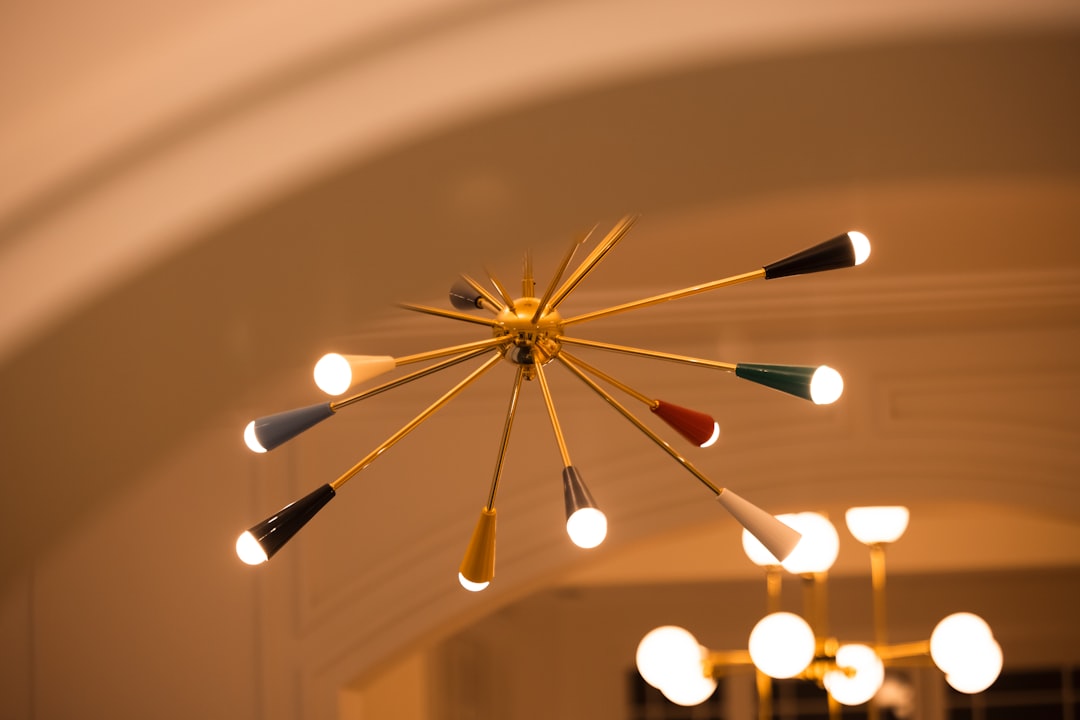

For many, the phrase “designer chandelier” evokes images of exorbitant price tags and exclusivity. However, the market for lighting fixtures has diversified, offering opportunities to acquire aesthetically pleasing and well-crafted pieces without exceeding a moderate budget. This article explores the realm of affordable designer brass chandeliers, specifically those priced under $500, demonstrating that sophisticated illumination can be within reach for a broader audience. We will delve into various aspects that contribute to both affordability and design integrity, offering a practical guide for those seeking to elevate their interior spaces with a touch of classic elegance.
Decoding the “Designer” in Affordable Brass Chandeliers
The term “designer” when applied to lighting Manugoo fixtures, particularly in an affordable context, requires nuanced understanding. It doesn’t necessarily imply a piece created by a globally recognized architect or an heirloom-quality artifact. Instead, it refers to a fixture exhibiting thoughtful design principles, such as balanced proportions, cohesive aesthetics, and attention to detail in its construction and finish. These chandeliers, while not bespoke, often draw inspiration from established historical styles or contemporary design movements, offering a curated look that transcends generic mass-produced items.
Beyond Brand Names: Identifying Design Merit
True design merit in an affordable chandelier lies in its execution. Observe the lines, the way the arms flow from the central column, and the integration of the light sources. A well-designed piece will exhibit a visual harmony––a symphony of form and function. Conversely, poorly designed fixtures often reveal themselves through awkward scale, disjointed elements, or a lack of visual coherence. Look for pieces where the design language feels intentional and well-resolved, even if the price point is modest.
Material Integrity at a Lower Price Point
While solid brass is often associated with higher-end pieces, affordable alternatives frequently utilize brass-plated steel or aluminum, or even a brass-lacquered finish. The “designer” aspect here often translates to a convincing and durable finish that mimics genuine brass’s luster and warmth without the substantial material cost. Inspect the finish for evenness, absence of blemishes, and a convincing representation of brass’s characteristic sheen. A well-applied brass plating can be remarkably resilient and aesthetically pleasing, serving as a functional equivalent for many applications.
Factors Contributing to Affordability
Several key elements contribute to the feasibility of offering designer-inspired brass chandeliers at a price point under $500. Understanding these factors can aid in making informed purchasing decisions and discerning value.
Manufacturing Processes and Scale
Mass production plays a significant role in reducing per-unit costs. While true bespoke chandeliers are handcrafted in small batches, affordable options often leverage efficient manufacturing techniques, standardized components, and larger production runs. This economy of scale allows manufacturers to pass on savings to consumers without necessarily compromising on fundamental design principles.
Material Selection and Substitutions
As mentioned previously, the strategic use of brass-plated metals or other brass-toned finishes keeps material costs in check. The base metal components (often steel or aluminum) are more readily available and less expensive than solid brass. These substitutions, when executed with quality finishes, can achieve a visually similar effect to solid brass at a fraction of the cost, making the aesthetic accessible.
Simplified Design and Componentry
Complex, multi-tiered chandeliers with intricate detailing and numerous individual components naturally incur higher manufacturing expenses. Affordable designer chandeliers often feature simpler designs, fewer arms, and more streamlined profiles. This simplification does not equate to a lack of design; rather, it often reflects a minimalist or mid-century modern aesthetic, which inherently relies on clean lines and understated elegance. Consider a single-tier Sputnik-style chandelier versus a sprawling, multi-tiered crystal-laden traditional piece. Both can be “designer,” but their inherent complexity drives cost.
Direct-to-Consumer Models and Online Retail
The proliferation of online retail platforms and direct-to-consumer sales models has significantly impacted pricing. By bypassing traditional brick-and-mortar showrooms and their associated overheads (rent, sales staff, higher marketing budgets), online retailers can offer competitive pricing directly to the consumer. This digital storefront approach reduces the distribution chain, acting as a direct conduit between manufacturer and buyer, thereby lowering the final sticker price.
Styles and Aesthetics Within Reach
The under-$500 category of designer brass chandeliers encompasses a surprisingly broad spectrum of styles. From classic silhouettes that evoke historical grandeur to contemporary forms that speak to modern sensibilities, there are options to complement diverse interior design schemes.
Mid-Century Modern Revivals
The enduring appeal of Mid-Century Modern (MCM) design ensures its strong representation in affordable lighting. Think Sputnik chandeliers with their radiating arms and numerous bulbs, or linear fixtures with geometric forms. These pieces often feature clean lines, a dynamic sense of movement, and a functional aesthetic. The brass finish lends itself well to the warmth and sophistication inherent in MCM design, creating a sense of timeless appeal. For a dining room, a horizontal brass chandelier with multiple globe lights can serve as a striking focal point, a luminous sculpture hanging in space.
Minimalist and Contemporary Forms
For those who gravitate towards uncluttered spaces and a less-is-more philosophy, minimalist brass chandeliers offer sophisticated elegance. These often feature simple geometric shapes – circles, squares, or linear bars – adorned with minimalist light sources, sometimes integrated LEDs. The design here emphasizes pure form and the inherent beauty of the brass finish itself. Such pieces are versatile, acting as quiet anchors in a contemporary living room or a sleek counterpoint in an industrial-inspired space.
Transitional Interpretations
Transitional design, which bridges the gap between traditional and contemporary styles, also finds expression in affordable brass chandeliers. These fixtures often blend classic elements, such as curved arms or sconce-like light holders, with a more contemporary finish or a simplified overall silhouette. They are adaptable chameleon-like pieces, able to integrate seamlessly into a wide range of interiors, offering a sense of enduring style without being overly staid or overtly trendy. Imagine a classic candelabra form reinterpreted with polished brass and exposed Edison bulbs – a marriage of old and new.
Industrial-Inspired Designs
While often associated with darker metals, brass can also be effectively integrated into industrial-inspired lighting. These chandeliers might feature exposed hardware, rugged forms, or cage-like elements, often softened by the warmer tone of brass. The juxtaposition of industrial utilitarianism with the refined finish of brass creates a compelling visual tension, adding character and an unexpected layer of sophistication to spaces like lofts or open-plan living areas.
Practical Considerations for Purchase and Installation
Acquiring an affordable designer brass chandelier involves more than just selecting a style. Practical considerations regarding size, light output, and installation are crucial for ensuring the fixture fulfills its intended purpose and enhances the living space.
Sizing and Scale: The Visual Proportion
The most common mistake when choosing a chandelier is misjudging its size relative to the room. A chandelier should be a harmonious element, not dwarfed by or overwhelming the space. As a general guideline for dining rooms, the diameter of the chandelier should be approximately half to two-thirds the width of the dining table. For living rooms, consider the room’s dimensions: add the length and width of the room in feet, and use that sum in inches as a rough guide for the chandelier’s diameter. For example, a 10’ x 12’ room would suggest a chandelier around 22” in diameter. Remember, these are guidelines, not rigid rules; ceiling height also plays a critical role. A small chandelier in a large room will appear lost, while an oversized one in a compact space can feel oppressive.
Light Output and Bulb Requirements
Consider the primary function of the chandelier. Is it providing ambient light, task lighting (as over a dining table), or primarily decorative illumination? The number of bulbs, their wattage, and the type of bulbs (Edison, LED, frosted, clear) will all impact the light output. Many affordable chandeliers are compatible with LED bulbs, offering energy efficiency and a wide range of color temperatures to suit different moods and functions. Ensure the fixture’s listed wattage capacity aligns with your desired brightness and bulb choices. You don’t want a “designer” piece that fails to adequately illuminate its surroundings.
Ceiling Height and Hanging Length
Proper hanging height is paramount for both aesthetics and functionality. Over a dining table, the bottom of the chandelier should typically hang 30-36 inches above the tabletop, ensuring it doesn’t obstruct views or head space. In an open entry or living area, allow at least 7 feet of clearance from the floor to the bottom of the fixture. Many chandeliers come with adjustable chains or rods, allowing for customization of the hanging length. Always double-check the maximum and minimum hanging lengths to ensure compatibility with your ceiling height. A chandelier hung too high loses its impact as a central feature, while one hung too low becomes an obstacle.
Installation Considerations and Professional Help
While some smaller chandeliers might be within the capability of a DIY enthusiast, particularly if replacing an existing fixture, larger or heavier pieces often require professional installation. Working with electrical wiring carries inherent risks. A licensed electrician can ensure proper wiring, secure mounting, and adherence to local electrical codes. The investment in professional installation safeguards against potential hazards and ensures the longevity and proper functioning of your new lighting fixture. Consider this an essential component of the overall “cost” of the chandelier.
Maintaining Your Affordable Brass Chandelier
Even without genuine brass, the brass-plated or lacquered finishes on affordable chandeliers benefit from proper care to maintain their luster and appearance over time. Regular, gentle maintenance will ensure your investment continues to illuminate your space beautifully.
Dusting and General Cleaning
The primary enemy of any lighting fixture is dust buildup. Regular dusting with a soft, dry microfiber cloth is usually sufficient for day-to-day maintenance. For more thorough cleaning, lightly dampen the cloth with water (distilled water is preferable to avoid mineral deposits) and gently wipe down the surfaces. Avoid abrasive cleaners, harsh chemicals, or ammonia-based products, as these can strip or damage the finish, leaving behind dull spots or discoloration. Think of it as a delicate skin that needs gentle nurturing.
Addressing Tarnish or Discoloration
While genuine brass tarnishes naturally, brass-plated or lacquered finishes are designed to resist this. If you notice any stubborn marks or slight discoloration, especially in high-humidity environments, a specialized brass cleaner designed for lacquered or plated finishes can be used sparingly. Always test such cleaners on an inconspicuous area first to ensure there are no adverse reactions. Follow the manufacturer’s instructions precisely, and always rinse thoroughly (if applicable) and dry immediately to prevent water spots. Over-cleaning or using strong chemicals is detrimental.
Bulb Replacement and Electrical Inspection
When it’s time to replace bulbs, always turn off the power to the fixture at the circuit breaker first. Use the correct wattage bulbs as specified by the manufacturer. Periodically, (perhaps during a spring cleaning) it is prudent to visually inspect the wiring connections at the canopy for any loose strands or signs of wear, especially if the fixture is older or has experienced minor jolts. If any concerns arise, consult a qualified electrician. This proactive approach can prevent potential electrical issues down the line.
The journey into decorating with a designer aesthetic no longer requires an unlimited budget. Affordable designer brass chandeliers, available for under $500, represent a practical and stylish solution for enhancing various interior spaces. By understanding the facets of design, manufacturing, and maintenance, you, the discerning buyer, can confidently select a piece that not only illuminates your home but also reflects a sophisticated taste, without extending beyond a sensible financial boundary. These fixtures stand as testimony that great design, like light itself, can be both beautiful and accessible, spreading its influence far and wide.